
We’re very happy to have you back for another wisdom-bomb from Pilar – Bodhi Surf + Yoga co-owner and Ayurveda expert in training.
In our last Ayurveda edition we dived deep into The Art of Graceful Aging. This time around, we’re exploring the role that Ayurveda plays in cooling down with nature’s wisdom.
Pilar walks us through the idea that, just like life, nature is constantly changing. Ayurveda invites us to adjust our daily routines with the seasons, helping us stay balanced, grounded, and in tune with Mother Earth.
Ancient wisdom vs modern athletic performance
I have been meaning to write this for a long time. In our home here in Uvita, Osa, Costa Rica, we are surrounded by athletes of all levels. Between the surf, the jungle hikes, and the daily yoga sessions, we live for movement. But while exercise is arguably the healthiest thing you can do for yourself, I’ve learned that balance is the real key.
It is vital to train at a level our bodies can actually tolerate while ensuring we nourish and rest with the same intensity we bring to our workouts.
I also felt a pull to write this because of what I call the “social media effect.” We are constantly bombarded by trends — ice baths, high-protein hacks, 4am grinds. I’m not saying those trends are wrong, but the noise can get confusing. At Bodhi Surf + Yoga, we prefer to look back to look forward. We lean on Ayurveda — the “Science of Life” — to find a rhythm that sustains us rather than drains us.
Is this just an old tradition with no validity in the modern world? Or is it ancient wisdom that has stood the test of time? I believe the only way to find out is to test the system yourself. Here are some insights from my own journey of balancing ancient wisdom with modern athletic performance.
Identifying Your Athletic Dosha: How You Move
Perhaps you already know your dosha (if not, you can start by exploring The Elements Within: A Simple Look at the Doshas). In Ayurveda, we are all a unique blend of three energies: Vata, Pitta, and Kapha. Knowing your dominant energy helps you understand how to train, eat, and — most importantly, recover.
The Vata Athlete
Naturally thin and fast, Vata types excel in activities requiring quick bursts of energy or high agility. However, they are prone to anxiety, “spaciness,” and joint injuries because their “wind and ether” elements are naturally high.
- Training Tip: Focus on “Grounding.” If you are surfing, spend extra time in a slow, rhythmic paddle out rather than frantic bursts. In yoga, focus on standing poses and long, steady balances to calm the airy nature of your mind.
- The Trap: Vatas often push until they suddenly “crash.” They need consistent, warm nourishment and strict routines to keep their nervous system from becoming overstimulated.
The Pitta Athlete
Driven, muscular, and intense. These are our “stoked” surfers who want to stay in the water for six hours or until their arms give out. However, they are prone to inflammation, skin rashes, and overheating.
- Training Tip: The 80% Rule. Pittas often believe that 110% is the only way to go. Ayurveda suggests training at 80% capacity to leave some “juice” in the tank for recovery. If you finish a workout feeling angry or depleted, you’ve gone too far.
- The Trap: Overheating. In the tropics, a Pitta’s fire can turn into burnout very quickly. Cooling the body and the mind is their most important athletic skill.
The Kapha Athlete
Strong and sturdy, with incredible stamina. They are the ones who can paddle all day without tiring, but they are prone to lethargy and “heaviness.”
- Training Tip: Stimulate. Kaphas need high-intensity intervals or “stoking” practices to get their blood pumping. They thrive in the morning “Kapha window” (6am to 10am) where the natural energy of the day supports movement.
- The Trap: Resistance to start. Kaphas often feel heavy in the morning; they need a vigorous yoga flow to “ignite” the body before hitting the waves.
We are all a blend, and our needs shift based on the seasons and our environment. Here in the South Pacific of Costa Rica, the environment itself plays a massive role in our athletic performance.

The Pitta Challenge: Staying Cool in the Costa Rican Sun
In Uvita, Osa, Costa Rica, we don’t have four seasons – we have the dry season (summer) and the tropical “green season”. Our summer, from November to April, is hot, sunny, and incredibly humid. Last year, I noticed my own Pitta was climbing — I felt irritable, my digestion was off, and I felt a sense of general burnout.
When you are an athlete in the tropics, the heat isn’t just an external factor; it’s an internal one. This is where we use specific “Bodhi Biohacks” to stay balanced.
Cooling with Nature’s Rhythms:
- Peak Pitta Hours: Avoid the sun between 10am and 2pm. This is when we retreat to the shade of the Bodhi terrace, take a quiet moment in our meditation garden, or take a dip in our pool.
- Water as Medicine: Spend time near water. Whether it’s a dip in the ocean, a soak in a nearby waterfall, or utilizing our small plunge pool after a surf session, water signals to your nervous system that the “heat” of the activity is over.
- The Evening Feet Ritual: If you are feeling “wired” after a day of adventure, rub a little warm coconut oil on the soles of your feet before bed. It is incredibly grounding and helps deep-cycle your sleep, which is when the real “athletic building” happens.
- Eye Care: If your eyes feel tired or dry from the salt and sun, place cucumber slices over them while resting. It sounds simple, but it’s a powerful way to cool the Pitta energy in the head.
The Golden Rituals of the Ayurvedic Athlete
If you want to perform like an athlete but feel like a yogi, these three rituals are your foundation. They move beyond the “physical” and address the “biological” needs of your body.
1. Abhyanga: The Golden Ritual of Recovery
Most modern athletes reach for a foam roller to break up fascia; Ayurveda reaches for warm oil to nourish it. Abhyanga, or self-massage, is a total game-changer for muscle recovery.
While a foam roller is “mechanical,” Abhyanga is “biological.” By massaging your limbs toward your heart with warm oil (cooling coconut for Pitta, heavy sesame for Vata), you:
- Lubricate the joints to prevent the wear and tear that comes from repetitive motions like paddling or running.
- Flush the lymphatic system to clear out metabolic waste and toxins (ama) after a hard workout.
- Calm the nervous system, shifting you from “fight or flight” (Sympathetic) to “rest and digest” (Parasympathetic).
Think of it as an oil change for your biological machine. Do it at least once a week, ideally the day before your “rest day.”
Recovery isn’t all physical – click here to read about Dhyana (Meditation) and how it helps us relax, focus, and settle our minds.
2. The Prana “Biohack”: Nasal Breathing
Many athletes are “mouth breathers” during exertion. This triggers a stress response in the brain, telling the body it is in danger. At Bodhi, we emphasize nasal breathing both on the mat and in the waves.
By training yourself to breathe through your nose during low-to-moderate intensity sessions, you filter and warm the air, increase your CO2 tolerance, and keep your heart rate lower under the same physical load. This allows you to stay “calm in the impact zone” of a surf session. For a deeper dive into the science of the breath, see our guide on The Benefits of Pranayama Breathing.
3. Make Savasana Mandatory
The most important part of any workout isn’t the workout itself — it’s the moment it ends. Spend 5 minutes in Savasana (Corpse Pose). By lying flat and still, you signal to your cells that the “stress” is over and the “repair” phase can begin. To protect your lower back (especially for surfers who spend hours in a “cobra” position on their boards), always place a pillow or a rolled-up towel under your knees.
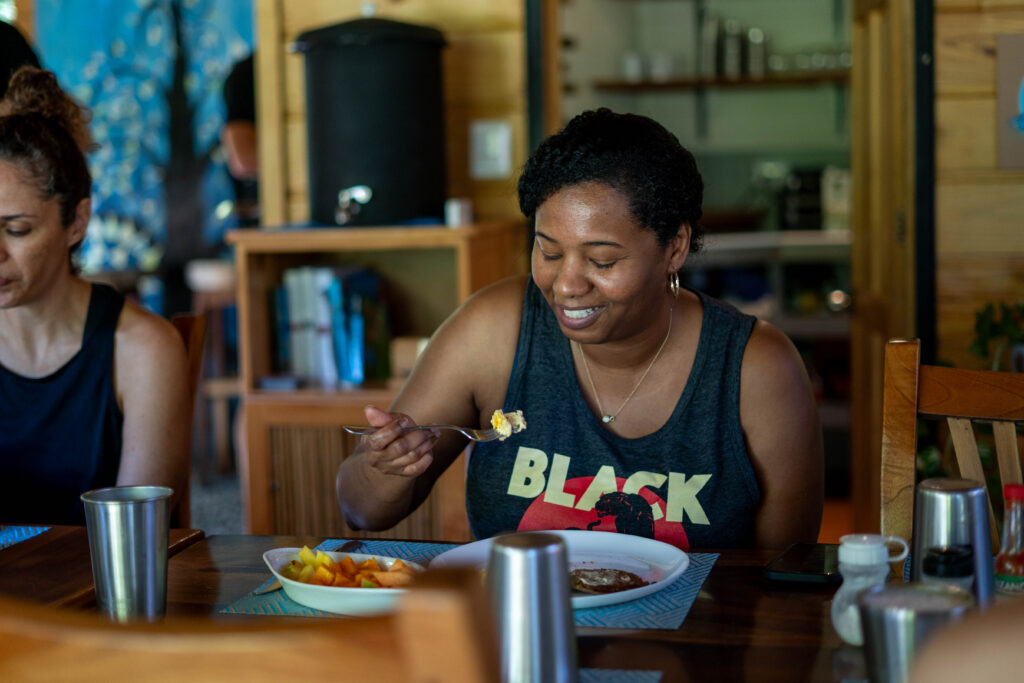
Fueling the Fire: Ayurvedic Nutrition for Performance
Ayurveda views nutrition through the lens of Agni (digestive fire). If our Agni is weak, we simply won’t absorb the nutrients we need to heal our tissues, no matter how “clean” our diet is.
- The “Ice Water” Myth: In the 90-degree heat of Uvita, an ice-cold water sounds like heaven. But cold drinks “put out” your digestive fire. Switch to room-temperature or lukewarm water to keep your metabolism steady. Learn more about this in Agni: Tending the Sacred Flame.
- The Ayurvedic “Gatorade”: Skip the neon-colored plastic bottles. Mix room-temperature water with fresh lime juice, a pinch of Himalayan salt, and raw honey. This provides the perfect electrolyte balance: salt for sodium, lime for minerals, and honey for a slow-release carbohydrate to fuel the brain.
- The Hibiscus Healing: We love brewing hibiscus tea with cinnamon. Hibiscus supports liver function and removes excess heat from the blood, while cinnamon acts as a natural anti-inflammatory for sore muscles.
- Time Your Biggest Meal: Eat your largest meal at lunch when the sun is high and your Agni is strongest. A heavy steak at 9:00 PM will sit in your gut, sabotaging your sleep and your morning surf session.
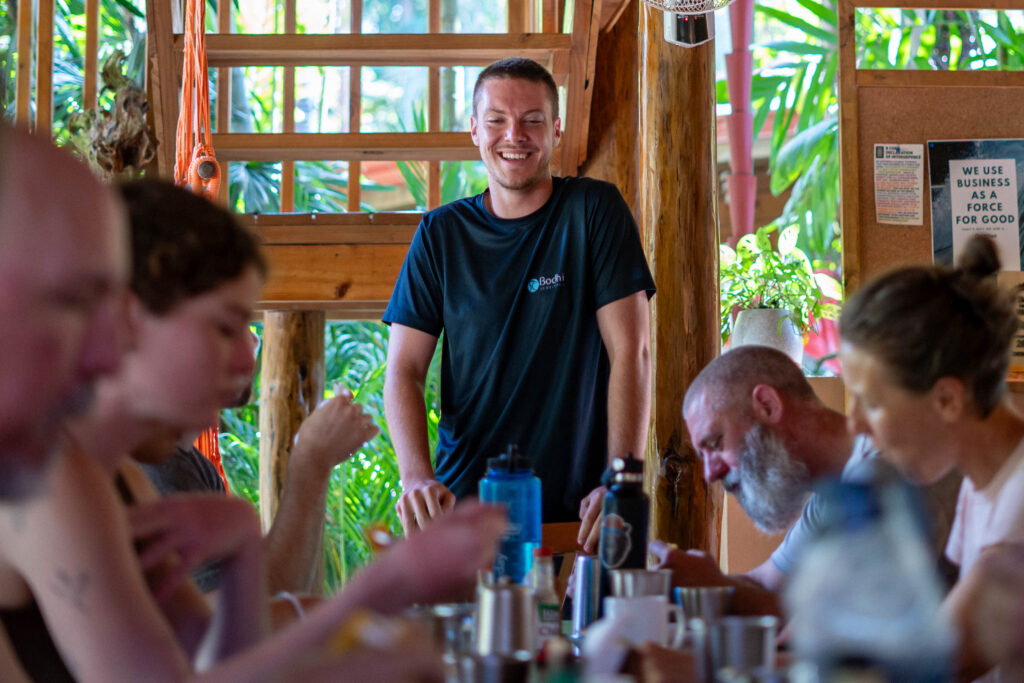
The Bodhi Difference: Intimate and Intentional Care
At many large resorts, you are a number. At Bodhi Surf + Yoga, you are an individual with a specific constitution and a unique set of needs. One of our recent guests said it best: “The disciplines here aren’t just two activities on a schedule. Yoga in the morning with Pilar genuinely prepares your body and mind for the surf adventure that awaits you with Travis.”
Because we keep our groups to a maximum of 10 guests, we can offer the “Founder-Run” level of care that “scale” simply doesn’t allow. When a guest arrived recently with a travel-related back injury, we didn’t just give them a generic modification. We used Ayurvedic principles to adjust their entire week — arranging private, gentler sessions to ensure they could still experience the ocean safely and return home feeling better than when they arrived.
Check out our Guest Experience blog series to get a feel for what a week or two with us is like. If you like what you see and want to come and be part of the magic, head over to our bookings page to reserve your spot!
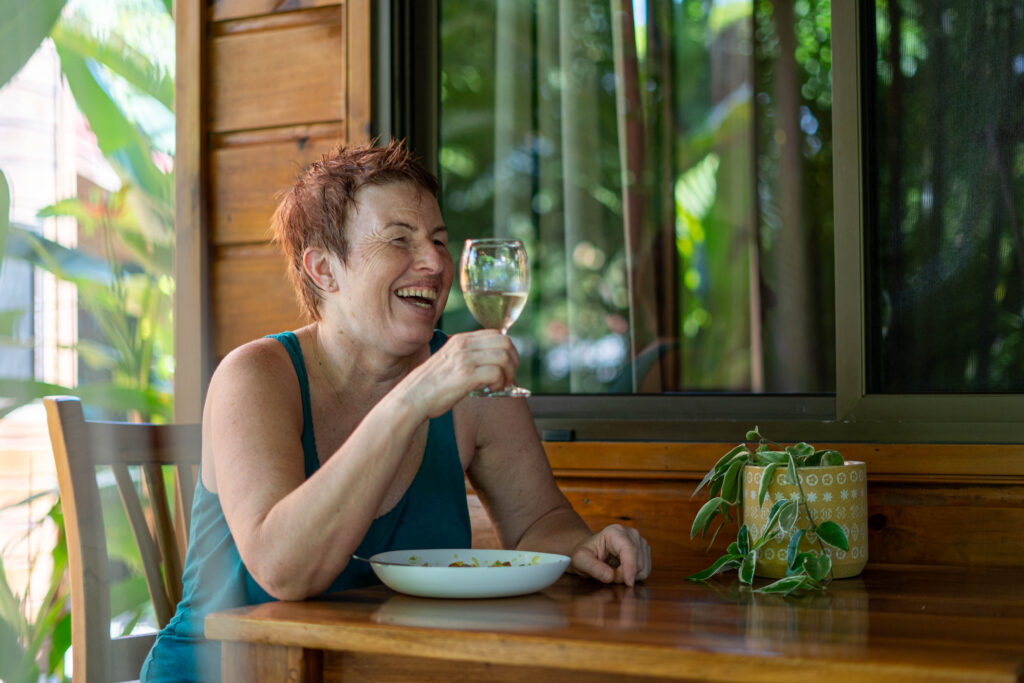
From the Jungle to the City: Taking it Home
The real test of the “Ayurvedic Athlete” isn’t what happens in Uvita; it’s what happens when you go home. Whether you’re returning home to your yoga studio or heading back to the mountain trails, these rituals are your Ayurvedic anchor.
- If you live in a cold climate: Switch to warming sesame or almond oil for your Abhyanga and prioritize warm, cooked root vegetables to keep your Vata grounded.
- If you have a high-stress job: Use the 5-minute Savasana trick after your gym session to ensure you don’t carry the “stress” of your workout into your meetings.
- Practice the 80% Rule: Especially in high-intensity environments, intentionally dialling it back to 80% effort allows you to sustain your energy for your family, your community, and your own personal growth.
Check out Pilar’s blog about Bringing Ayurveda Home to learn more!
Final Thoughts: The Invitation to Balance
Modern athletics often tells us that “more is better,” but Ayurveda reminds us that balance is better. You don’t need to change your entire life overnight. Pick one ritual — perhaps the nasal breathing or the Ayurvedic Gatorade — practice it consistently for three months, and listen to what your body tells you.
You might just find that this “old system” is exactly what your modern performance has been missing.
Frequently Asked Questions about Ayurveda for Athletes
Can I practice Ayurveda if I don’t know my Dosha yet?
Absolutely! Universal habits like nasal breathing, eating your largest meal at lunch, and avoiding ice water benefit everyone. These are “Sattvic” habits that bring balance to any constitution.
How does Ayurveda help with sports injuries?
It focuses on “pre-hab” rather than “rehab.” By keeping the joints lubricated with Abhyanga and the nervous system calm with Savasana, the body stays in a state of repair rather than a state of constant inflammation. Having a healthy and strong core also allows us to maintain this state of repair.
Is Ayurveda compatible with a high-protein diet?
Yes. Ayurveda focuses on the bioavailability of that protein. If your Agni is weak, you aren’t actually absorbing the nutrients you eat. Ayurveda helps you “stoke the fire” so your body can efficiently use the fuel you give it.
What if I can’t exercise in the morning?
While the Kapha window (6am-10am) is ideal, the most important rule is consistency. If you must exercise later, ensure you spend extra time in a cooling Savasana to “drain” the Pitta heat before you go to bed.
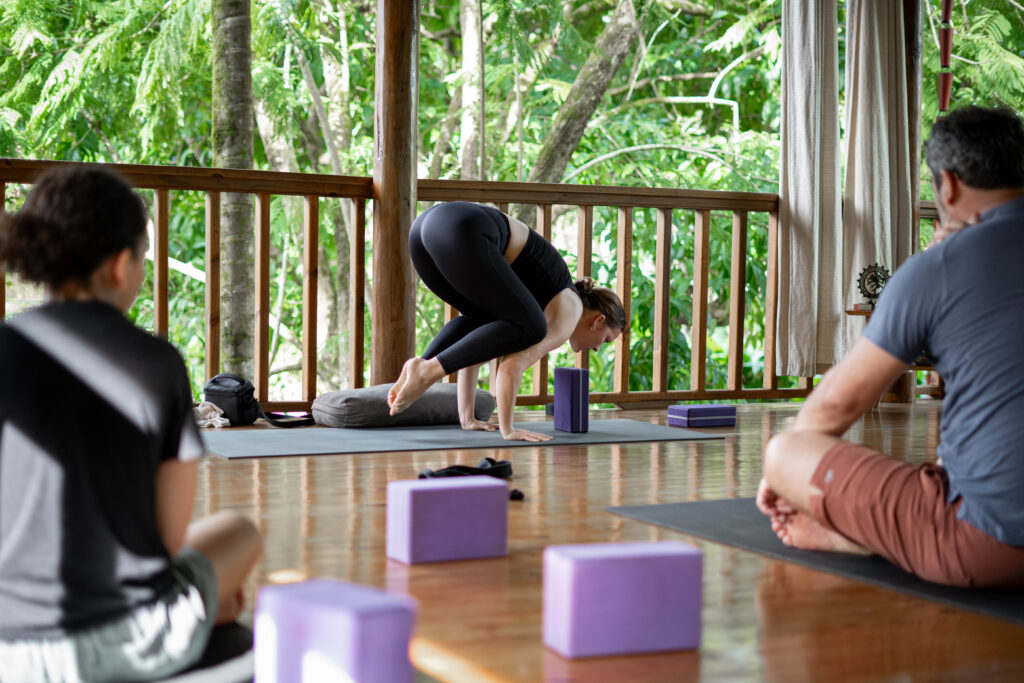
Ready to find your balance?
We’ve made it to the end of yet another blog in our Ayurveda series. We hope you’ve enjoyed reading these as much as we’ve enjoyed writing them!
Pilar is dedicatedly studying the ancient science of Ayurveda, and we’re fortunate enough to have her drop these nuggets of wisdom on us every couple of weeks. For us, these Ayurvedic insights are changing the way that we approach our daily lives.
We’re not saying that we’re completely changing our lives, but we most certainly are implementing little changes here and there, where we see fit. Ayurveda exists where we let it exist, when we let it exist.
We invite you to come and join us to apply these teachings of Ayurveda with us here in the warm tropical paradise of Uvita, Osa, Costa Rica. If the timing for you isn’t right just yet, no worries – we’ll see you here for the next blog in the Ayurveda series!

For First-Time Surfers
You Don't Need Experience. You Don't Need Gear. You Just Need This.
Our free 5-day email course that reveals the 5 myths keeping beginners at "I'm not ready" instead of catching their first wave and finding inner peace-and how to overcome them fast.
The Newbie Surf + Yoga Camp Kickstarter
Bust the 5 biggest myths about going to a surf and yoga camp so you can stop procrastinating and start catching waves - with our FREE 5-day email course.



How to Teach Yourself How to Surf
Words by Carly Stoenner
Learning to surf is more than standing on a board in the ocean. At its core, surfing is a physical, spiritual, and communal practice…

Is Surfing a Sport? And Why it Matters
Words by Carly Stoenner
To quickly answer this question, yes, surfing is a sport according to the International Olympic Committee (IOC). Surfing officially debuted as an Olympic sport…
The Endless Summer(s) Surf Movies
Words by Bodhi Surf + Yoga
American society is greatly influenced by its media outlets, especially movies. Every now and then there comes along a movie that although is a…