
We’re thrilled to have you join us for the fourth of Pilar’s Ayurveda series blogs!
We’ve already learned so much about Ayurveda – the ancient science of life. In Pilar’s last three blogs we explored:
- Blog 1: Pilar’s introduction to Ayurveda
- Blog 2: Mastering Agni – our sacred flame within
- Blog 3: Cooking with Prana – not a chore, but a central pillar of health and healing
This time around, we’re bringing Ayurveda home.
We’re diving into how we can incorporate the principles and teachings of Ayurveda into our daily lives. The most beautiful part is that it’s really accessible – we have all the tools we need in order to “do” Ayurveda from home.
Read along as Pilar discusses how to thoughtfully adapt the ancient science of Ayurveda to a modern, Western, and local context – I.e. how YOU can bring Ayurveda home and into your life.
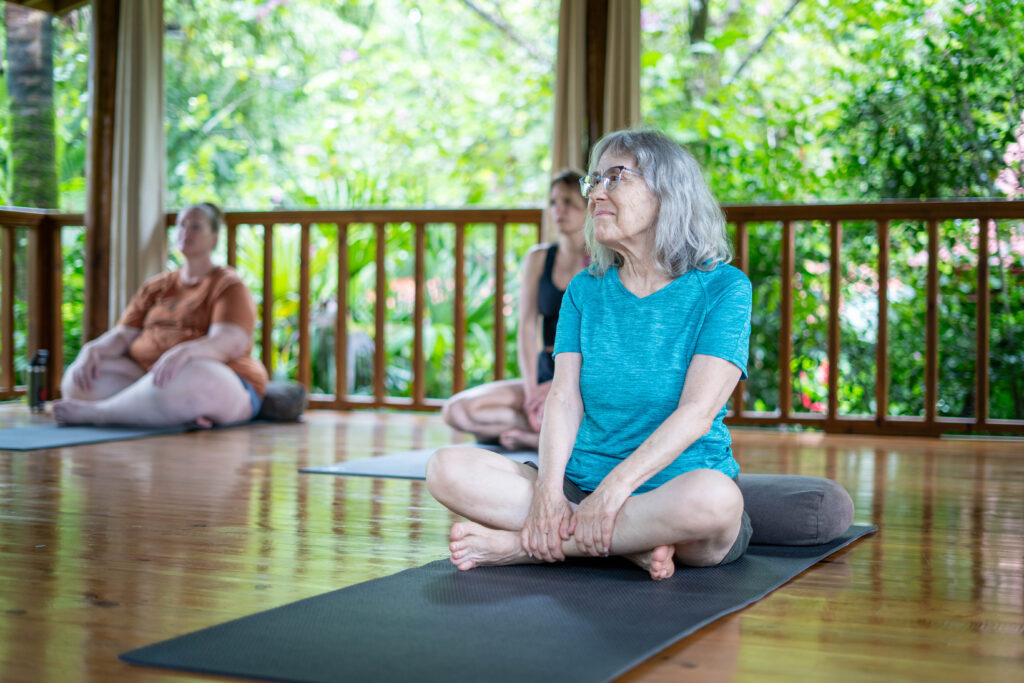
Ayurveda encourages critical thinking
One of the privileges — and perhaps challenges, of having a Western mindset is our tendency to analyze (and often overanalyze) everything we learn.
We’re taught to be skeptical, to question everything, and to demand proof before accepting something as truth. While this critical thinking can sometimes get in the way, I also believe it’s an important part of growth.
It allows us to thoughtfully adapt ancient wisdom to our modern lives: to study deeply, apply what we learn, experiment, and come to our own conclusions.
That’s exactly what I’ve been doing since completing my formal studies in Ayurveda.
One of the beautiful things of the world we live in is the amount of information we have at our disposal. We can take what we see and what we learn, apply it to our own lives and make our own educated decisions based on facts, experience, and lifestyles.
“In the abundance of water, the fool is thirsty” – Robert Nesta Marley
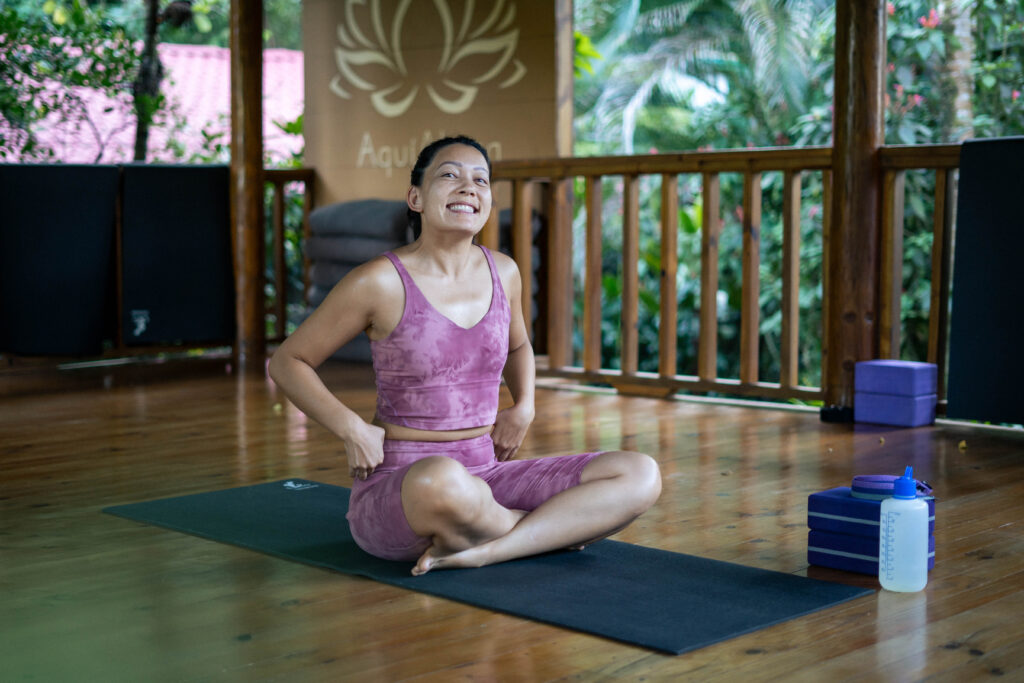
Ayurveda is right where we are
Ayurveda is not a place. It can be interpreted as a health system from which we can develop guidelines that align us to a healthier way of being.
We say this to reinforce that Ayurveda exists WHEREVER you are while adapting and incorporating these guidelines into your life.
Ayurveda emphasizes balance — between mind, body, and spirit; and reconnecting with our natural state. Rooted deeply in nature, it provides the tools to harmonize with the rhythms of the world around us, unlocking nature’s secrets to achieve harmony and vitality.
One of the initial hurdles I faced was the belief that I needed to import specific herbs, products, or foods in order to follow Ayurvedic principles correctly. But over time, I’ve come to realize that this isn’t necessary at all.
Ayurveda is, at its core, a science of life — a path that invites us to reconnect with nature and the living world around us. Its teachings encourage us to observe our own environment, to learn from the plants, rhythms, and elements that surround us, and to seek out local equivalents — homologous options, that can support our healing.
We don’t need to rely solely on ingredients from India or anywhere else; we can bring Ayurveda home, right where we are. We don’t need to wait until we’re in the perfect situation to start our Ayurveda journey. Now is better than perfect, because perfect is never now.
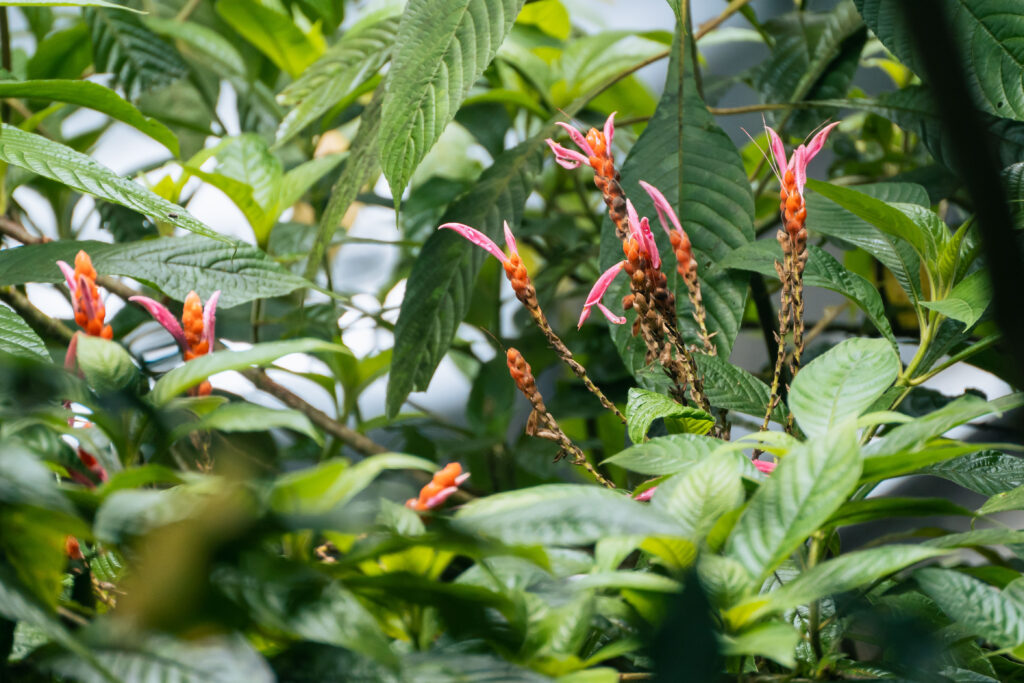
Ayurveda exists where you make it exist
The more I practice and integrate Ayurveda into my life, the more I see how beautifully it blends with the landscape I call home. The climate, the food, the herbs growing in the garden or nearby — all of it offers wisdom and support when we learn to pay attention.
For example, instead of reaching for triphala, I might choose local fruits that offer similar digestive benefits. Instead of using ashwagandha, I could explore native adaptogenic plants that grow here in Costa Rica.
It’s not about perfectly replicating every traditional remedy, but about honoring the principles— like balance, rhythm, seasonality, and connection — and allowing them to guide our choices.
This approach not only makes Ayurveda more accessible, it also makes it more sustainable. We reduce our dependence on imported goods and strengthen our relationship with the natural world around us.
Ayurveda becomes less of something foreign that we “do” and more of a way we live — grounded, intentional, and in harmony with our surroundings.
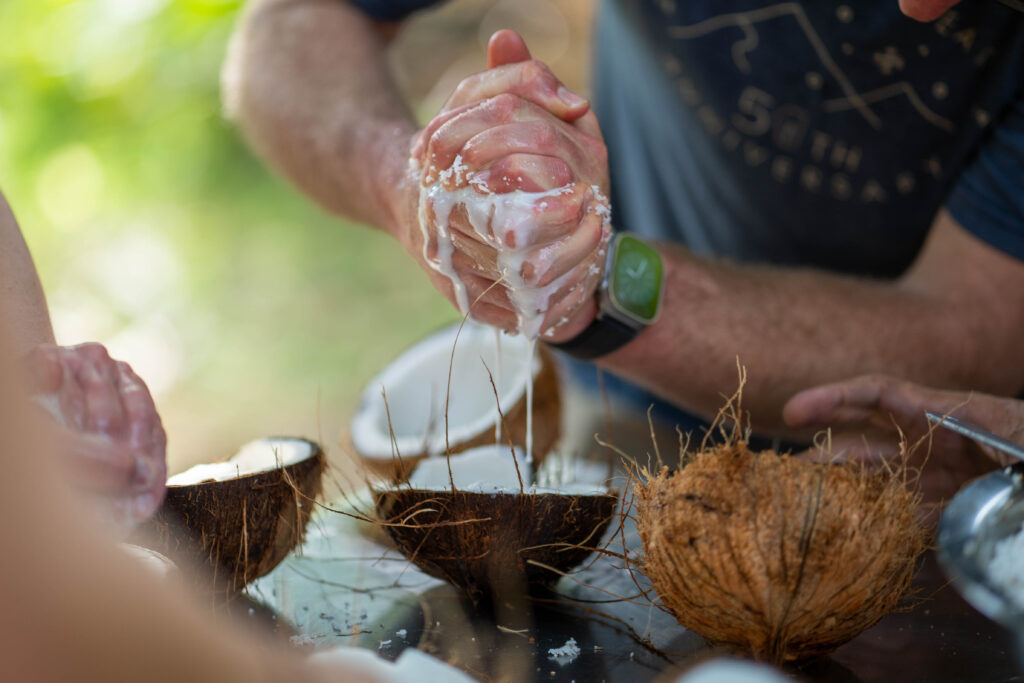
How do we honor these principles?
For instance, instead of importing turmeric from across the world, I use cúrcuma grown locally — it thrives in this climate and carries the same warming, anti-inflammatory properties.
Instead of relying on ghee shipped from India, I’ve experimented with making my own from high-quality local butter, or even using coconut oil when appropriate, which is abundant and aligns well with the tropical environment.
When it comes to herbs, I’ve started exploring local plants with similar energetic qualities. Guava leaf tea has become a go-to for digestion, much like how one might use cumin or coriander in a traditional Ayurvedic kitchen.
Lemongrass, which grows wild here, is wonderfully calming and supportive for the nervous system—similar in effect to some of the nervine herbs used in Ayurveda.

Connection to nature – the Bodhi Surf + Yoga philosophy
It’s interesting. As we continue to learn more and more about Ayurveda and how we can make changes to better integrate it into our lives – we’ve also had “aha!” moments where we realize “Hey, we’re already doing this!”.
The biggest example we can think of is our philosophy of nature immersion. At Bodhi Surf + Yoga, this is one of our central pillars that upholds our entire business.
For years now we’ve been learning about the powers of nature immersion, and harnessing these powers to provide transformational travel experiences for our guests.
By connecting to nature via surfing in a marine national park, we’re unlocking this Ayurvedic harmony with the world around us. And as we’ve already mentioned above, this connection is the catalyst for peace and wellbeing within our mind, body, and spirit.
Ayurveda is not one size fit’s all
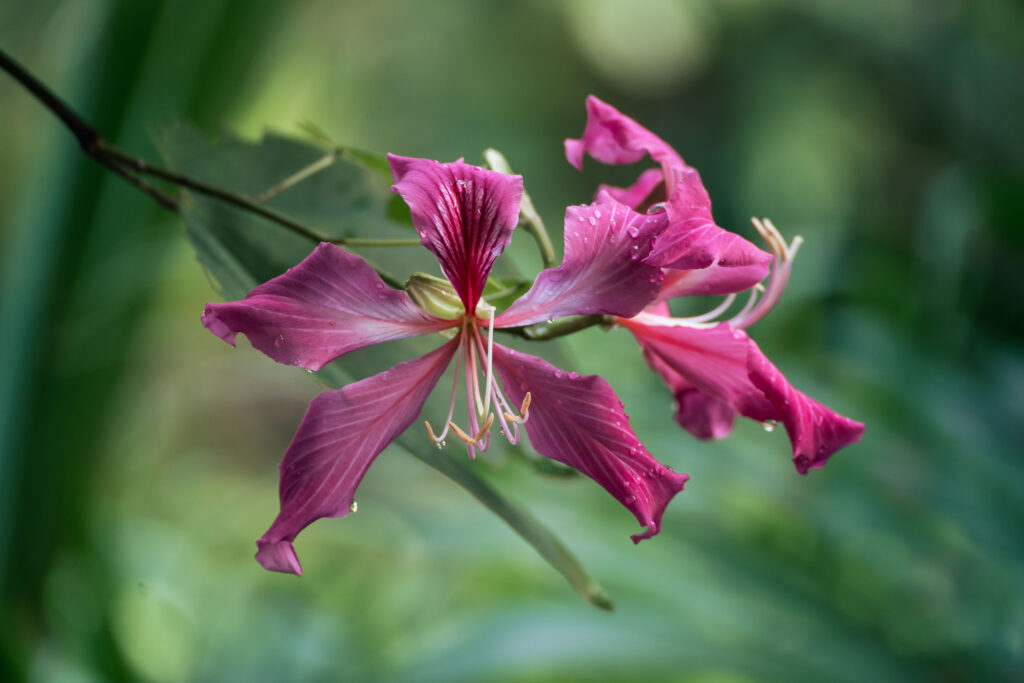
Again, Ayurveda exists where you let it exist. Think of it like a flower. If you plant a seed and nurture it with all that it needs to grow and blossom, you’ll eventually have a beautiful flower – regardless of its surroundings.
What works here might not be what works there. But you can adapt and incorporate principles of Ayurveda into your life by examining and understanding your surroundings.
Even daily routines, or dinacharya, can be adapted. While an oil massage with sesame oil is commonly recommended in colder climates, here in the heat and humidity of the Pacific coast, I sometimes choose lighter oils like coconut or sunflower, which feel more balancing and cooling.
Through all of this, I’ve learned that Ayurveda isn’t about rigidly copying practices from another place and time — it’s about understanding the deeper principles and working with what’s available and appropriate for where you are.
Looking at it this way, it’s really an activity on being present and aware of what’s around you in that current moment. It’s about cultivating awareness, making intentional choices, and living in alignment with your environment.

Frequently asked questions about “Bringing Ayurveda Home”
Can I practice Ayurveda if I don’t live in India?
Absolutely! One of the most beautiful realizations in Pilar’s journey is that Ayurveda is a “science of life,” not a science of a specific geography. While it originated in India, its core principles — balance, rhythm, and seasonality, are universal. You “do” Ayurveda by observing the rhythms of nature exactly where you are and choosing local foods and herbs that help balance your unique constitution.
Do I need to buy expensive imported supplements to start an Ayurvedic lifestyle?
No, and in fact, Ayurveda often suggests that the best medicine grows closest to you. Instead of importing herbs from across the globe, look for local equivalents with similar energetic qualities. For example, in a tropical climate like Costa Rica, we use local lemongrass for the nervous system or guava leaf for digestion rather than relying solely on traditional Indian imports.
How does surfing and nature immersion relate to Ayurveda?
At Bodhi Surf + Yoga, we see nature immersion as a modern application of Ayurvedic harmony. Ayurveda teaches us to align our internal rhythms with the natural world. By surfing in a protected marine environment like the Marino Ballena National Park, you are physically and spiritually connecting with the elements, which acts as a catalyst for balance in the mind, body, and spirit.
What is “Dinacharya” and can it be adapted for different climates?
Dinacharya refers to a daily Ayurvedic routine designed to maintain health. While traditional texts might recommend specific oils for self-massage (like sesame oil for cold climates), Ayurveda encourages critical thinking. In a warm, humid environment like Uvita, you might adapt this by using a cooling oil like coconut or sunflower to better suit your environment and keep your body in balance.
Check back in for part five
We’re slowly but surely making some good strides on our journey with Pilar through the enlightening world of Ayurveda.
Check in next month for the next blog in the series, where we’ll continue to deepen our understanding of this fascinating science. Just to recap, in this fourth blog, we covered:
- Adaptation through critical thinking: Having a Western mindset allows for skeptical analysis, which can be used positively to experiment and thoughtfully adapt ancient Ayurvedic wisdom to a modern lifestyle.
- Locally Sourced Healing: Ayurveda is a “science of life” that exists wherever you are. Rather than importing expensive goods from India (for example), you can find “homologous options” by observing the plants and rhythms in your own environment.
- Practical Substitutions: Traditional ingredients and routines can be swapped for local equivalents, such as using Costa Rican cúrcuma (turmeric), guava leaf tea for digestion, or cooling coconut oil instead of sesame oil for tropical climates.
- Connection to Nature: The practice aligns with our philosophy of nature immersion, emphasizing that connecting with the environment — whether through surfing or local herbs, is the catalyst for mental and physical well-being.

Your Journey Starts Here
Ready to Finally Experience That Life-Changing Surf + Yoga Trip (Without the Overwhelm)?
Bust the 5 biggest myths about going to a surf and yoga camp so you can stop procrastinating and start catching waves - with our FREE 5-day email course.
Get a Toolkit to Create Calm in Your Inbox
Watch the first lesson from our full immersive course: 8 Limbs of Ashtanga Yoga, FREE!



The Benefits of Pranayama Breathing
Words by Pilar
“When you own your breath, nobody can steal your peace.” ~Author Unknown In the great ocean of knowledge inside the science of yoga, there…

Ask Not “What is Yoga?” but Rather ‘What Does Yoga Mean to Me?’
Words by Pilar
I guess the most common question I receive as a yoga teacher is: what is the meaning of yoga? To sum up and define…
A Yogic Diet
Words by Pilar
It is quite common that once we immerse ourselves in to the world of yoga we begin to wonder about the correct diet to…