
Editor’s Note: This article was originally published in 2022 and was thoroughly refreshed in August 2026 to bring you the most up-to-date information on local crime trends, ocean conditions, tap water quality, and community safety initiatives here in Uvita.
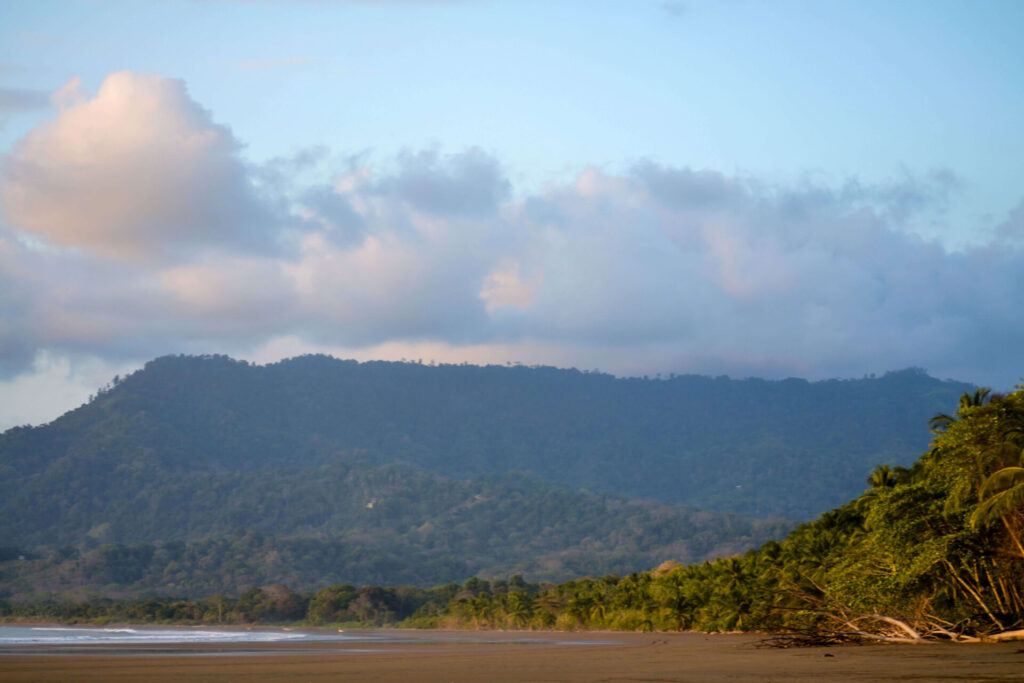
In its early days as a quiet fishing town, the idea of a ‘crime wave’ in Uvita looked a lot different. Historically, a major local scandal in the Osa mostly meant someone snagged the local catch of the day right out of your cooler or mysteriously walked off with your favorite fishing pole. Sometimes, it was just typical family feuds or a prankster stealing cleats right off the local soccer pitch as a joke. You might lose your flip-flops on the sand, have your beach cruiser bike ‘borrowed,’ or, in the ultimate small-town drama, lose your girlfriend to a smooth-talking surfer!
But as our beautiful town has grown, so has its exposure to the modern world. This evolution into standard petty theft, house break-ins, and a few stolen cars is closely tied to the massive short-term rental boom. Many visitors now stay at transient lodges or Airbnbs that unfortunately don’t provide the warm, courteous hospitality we pride ourselves on at Bodhi Surf + Yoga. When guests don’t receive a welcome walking tour, clear safety guidelines, basic dos and don’ts, or education on respecting national park rules, they can inadvertently make themselves vulnerable.
We also see a spike seasonally, largely attributed to massive events like the Envision Festival that temporarily duplicate our town’s population without fostering genuine community connection. And when it comes to the heavier, though rare, incidents like aggravated assault, these are almost exclusively committed by transiting gangs moving through from other regions of Costa Rica, not our local community. It is a grounding reminder that while paradise is real, true safety goes beyond just the destination you visit. It is ultimately about the company you choose to travel with, and the warm, intentional family they cultivate for you to become a part of during your stay.
Uvita Crime Rates: The Impact of Short-Term Rentals
Uvita has experienced a massive boom in Airbnb and private vacation rentals post COVID era. As more visitors choose private homes, we’ve noticed that opportunistic petty theft and house break-ins involving vacation renters have become slightly more common. Tourists have increasingly reported break-ins at Airbnbs and other rental properties across Costa Rica. Often, this happens simply because guests renting private homes don’t receive a proper introduction to the community or the practical safety guidelines that guided lodges provide.
Interestingly, a significant portion of these incidents occur during a very specific window: between 4:00 PM and 8:00 PM. This is the time of day when visitors naturally fall into predictable routines; heading to the beach to watch the sunset, followed by a long dinner at a local restaurant. Thieves recognize these patterns and take advantage of empty, unsecured houses.
If you choose a short-term rental, your best defense is simply being mindful and breaking those recognizable routines. Authorities strongly advise ensuring the property has strong security measures and keeping all doors and windows locked. You must ensure you lock every entry point, especially sliding glass doors and windows, every time you leave, even if it’s just for a quick sunset walk. Always place your valuables in the provided safes when you leave your vacation rental, or hide them in less common spaces if a safe isn’t available. Finally, be sure your host uses reputable cleaning and property management services. By taking these small, intentional steps, you can fully relax and enjoy the magic of Uvita while keeping your belongings secure.
What Guests Have to Say
“As a solo female traveler, I also always felt safe, even when I ventured out at night for dinner on my own… Costa Rica already has a reputation for being safe, but the fully fenced property with its electronic gate gave us additional peace of mind.”
— TripAdvisor Reviewer (Solo Traveler & Family Guest)
Our Town’s Safety Committee (And How We Look Out For Each Other)
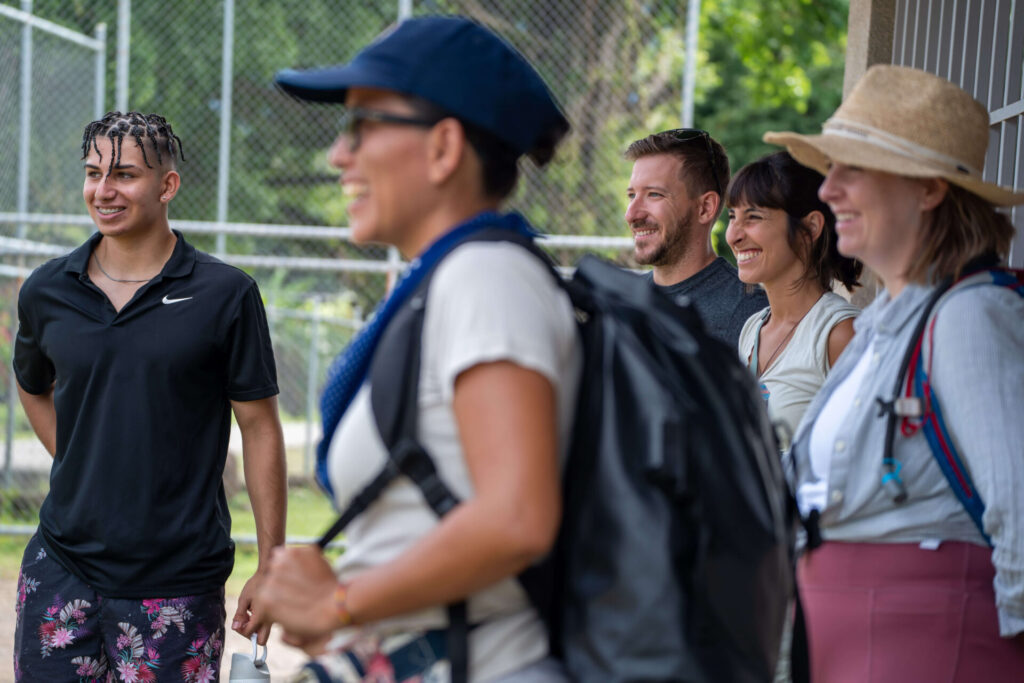
Here in Uvita, safety is a top priority. We have a local public safety and security committee in town, which Bodhi’s own Travis collaborates with! This group meets regularly to discuss current issues, how they affect people, and how to put wide-reaching solutions into action. For example, there was recently a community fundraiser to provide resources for maintenance of motorcycle and patrol vehicles for local police officials so they could better patrol the beach. Safety is in all of our interests.
In rural Costa Rican towns like ours in the Osa, security isn’t just about waiting for the authorities—it is deeply rooted in the concept of vecinos vigilantes (neighborhood watch) and our tight-knit social fabric. Because formal police stations can be spread thin across large coastal and jungle areas, local safety relies heavily on the power of genuine human connection. Neighbors, lodge owners, and community leaders work hand-in-hand with the Fuerza Pública (national police) through highly active community WhatsApp groups and local Citizen Security Committees. If an unfamiliar vehicle is lingering too long, or someone spots a suspicious person near the beach access, the network lights up instantly to alert everyone. It is a beautiful extension of the Pura Vida lifestyle and our Bodhi values; we don’t just share waves and sunsets, we actively look out for one another’s well-being. By staying connected and maintaining trusting relationships with local officers, the community itself becomes the strongest safety net you could ever ask for.
But true safety goes deeper than patrols; it’s about connection. We believe a community is safest when it proactively supports its youth and environment. Uvita is home to powerful local initiatives that build strong social bonds. The SOMOS Foundation runs a fantastic program called SELAL to support local development, and our youth are deeply engaged in sports, specifically the Uvita Soccer Academy (AFU) and the La Costa Chicas female soccer club.
In fact, we have a whole network of proactive organizations in Bahia Ballena and Uvita working together to address community security, development, and youth empowerment. Some of these incredible groups include:
- SOMOS Foundation: A driving force that creates public-private partnerships, manages programs for community resilience, and actively works with the Ministry of Public Security to fund public safety initiatives.
- Bahia Ballena Public Safety & Security Committee: A dedicated group of local leaders and organizations that implements community safety plans and collaborates with local and national authorities.
- Integral Community Development Associations of Bahia and Uvita: Working since 1979 to meet the evolving needs of the residents and the beautiful community of Bahía Ballena.
- Costa Ballena Lifeguards & Local Conservation Groups: Working alongside safety committees to keep our beaches secure and our ocean ecosystems protected.
- Marino Ballena Tour Operators Association: A dedicated group of boat tour operators that work hand-in-hand with the local guides association and the Marino Ballena National Park to address safety and security issues as well as local conservation programs.
- Costa Ballena Chamber of Commerce and Tourism: Working alongside the Costa Rica Tourism Institute (ICT) on destination management.
Collectively, we are a small town with organizations that communicate and do our best to watch out for one another, including you, our esteemed visitor.
Safe Oceans and Pristine Surf (Uvita vs. Dominical)
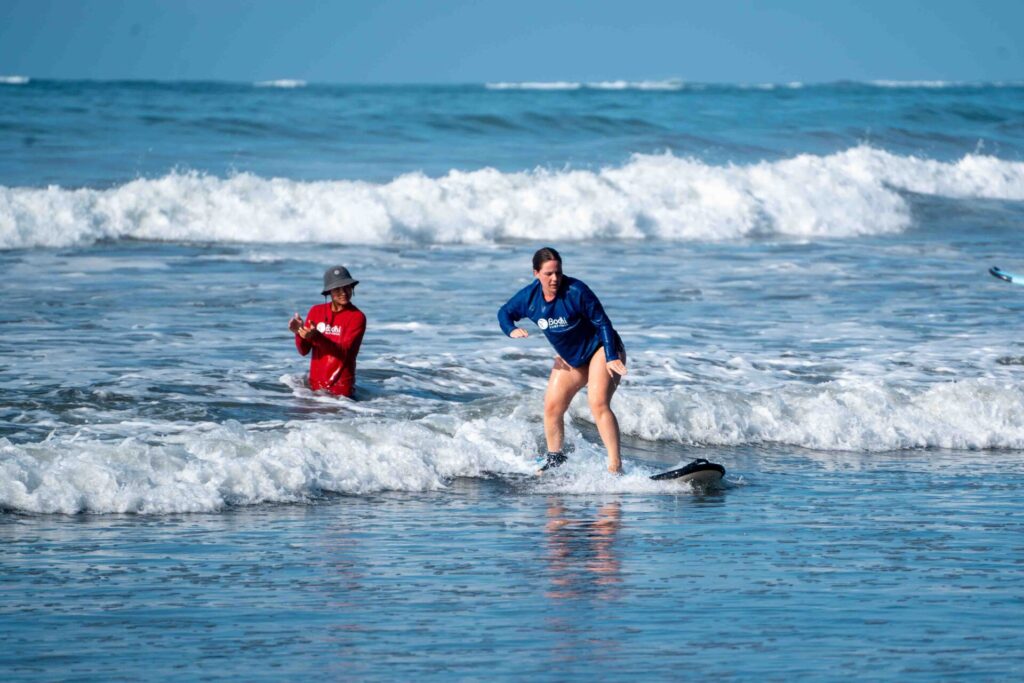
If you’re coming down here to surf, you may have read that nearby Dominical is known for strong currents and is one of the top locations in Costa Rica for drowning.
We don’t want to scare you off, but for us, it’s imperative to be completely honest so you can make safe choices. Drowning is rare (almost unheard of!) at Playa Chaman inside the Marino Ballena National Park where we conduct our surf lessons. In fact, due to its unique geography and protected waters, it is widely considered the best place to learn to surf in Costa Rica.
This is because:
- Ideal Ocean Bathymetry (Depth): The beach features a flat, gently sloping ocean bottom with no sudden drop-offs. This natural shape means rip currents here are far milder and much less frequent than at heavier surrounding beaches.
- 100% Sandy Bottom: There are no coral reefs, sharp lava rocks, or sea urchins beneath your feet. When you fall off your surfboard here, you tumble softly into bubbly white water.
- Natural Offshore Buffering: Surrounding islands, the famous whale tail, and reefs block heavy swell energy, keeping incoming waves gentle.
- Collaborative Safety Culture: National park rangers, year-round lifeguards, and local surf schools work together daily to monitor ocean conditions and maintain a secure environment for everyone in the water.
- Strict Park Rules: Because it is a protected marine park, alcohol is strictly not permitted, and park rangers do regular patrols.
Choosing a surf school that prioritizes your safety in a protected location makes all the difference. Learning to surf is as much a mental challenge as it is physical. When you feel safe in the water, your body relaxes, your balance improves, and your learning curve speeds up.
What Guests Have to Say
“When [my 11-year-old twin sons] said they wanted to surf, we wanted them to learn but also to be safe at all times… From the beginning, we felt a lot of trust in the team: they took the time to get to know the kids, understand their energy, and channel it positively, always with a very clear focus on safety.”
— Ana M., Parent & Bodhi Guest
Costa Rica’s Clean Water and Incredible Food
There are some countries we travel to knowing quite well that we may end up getting a stomach bug. Costa Rica is not one of those countries.
Costa Rica is one of the few places in Latin America where it’s completely safe to drink tap water! Throughout the majority of the country, and especially here in Uvita, the water is strictly treated and filtered by community-run organizations called ASADAs. Here in our town, the ASADA Bahia Uvita manages our water supply with immense dedication. They are consistently recognized on a national level, frequently earning the prestigious Bandera Azul Ecológica (Ecological Blue Flag) and the national Sanitary Quality Seal for their excellence. Their water quality parameters are rigorously and transparently monitored, with constant testing for optimal pH levels, safe chlorine balance, and strict bacteriological purity.
We always recommend bringing reusable bottles because there are businesses that provide free refill stations, even at our local kids’ playground. To ensure we are doing our part as Ocean Guardians, our entire Bodhi Surf + Yoga staff receives annual training directly from the local water office to stay completely up-to-date on community water safety, parameters, and conservation!
Having clean water directly equates to fewer food-borne illnesses; issues like food poisoning or salmonella are incredibly rare here. But we don’t just rely on the water, our dedication to safety goes further. Our staff also undergoes certified, annual food handling training to ensure the highest health standards are always met.
When it comes to dining, our region is truly in a league of its own. The Costa Ballena area, particularly the nearby village of Ojochal, is widely celebrated as the culinary capital of Costa Rica’s Southern Zone. The community has a rich gastronomic culture, highlighted by initiatives like the El Sabor de Ojochal association, which has hosted incredible local culinary festivals, restaurant weeks, and community fundraisers. The region is constantly recognized with culinary mentions and awards for its innovative, farm-to-table dining and fusion cuisine.
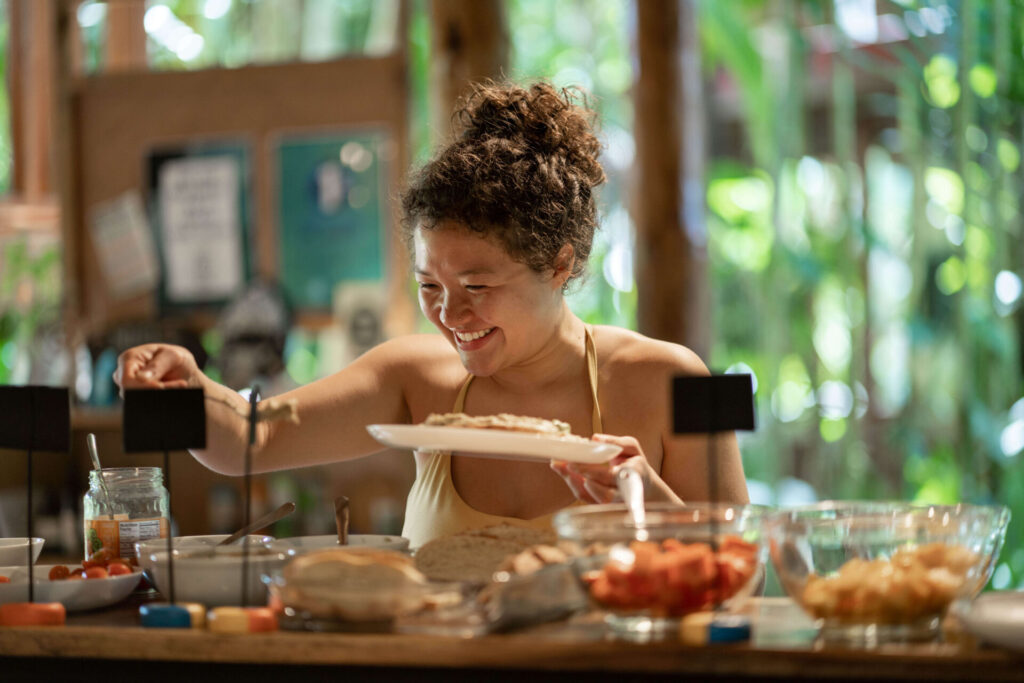
But don’t even get us started about the food right here at Bodhi Surf + Yoga! We genuinely believe we have the best chef in Costa Rica, Luci. If you’ve spent time with us, you know this is no exaggeration. Luci’s food is always so nutritious, clean for the body, and filling—the absolute perfect fuel for a week of surfing, yoga, and Pura Vida living.

Natural Disasters in Costa Rica: Weather, Earthquakes, and Tsunamis
Costa Rica is not known for catastrophic natural disasters. Try to think back. When was the last time you heard of a big hurricane hitting us? We tend not to get much trouble from hurricanes, and the reason is fascinating. It involves the Coriolis force, which is at its weakest at the equator. Because Costa Rica is located so close to the equator, the force required to form hurricanes is practically non-existent!
As for earthquakes, we sit on the Caribbean tectonic plate, so mini-tremors happen frequently but are nothing to worry about. Costa Rica hasn’t had a ‘major’ earthquake in over 10 years. Still, Uvita takes a highly proactive approach to coastal safety. We recently completed a rigorous three-year process to become internationally certified by UNESCO under their Tsunami Ready Program, complete with clear, well-marked evacuation routes and community protocols.
We do, however, get a significant amount of tropical rain, approximately 24 feet annually! I personally love the rain; there’s something so beautiful about it in the tropics, and it cools the air down beautifully. But with heavy rain comes the reality of flash floods, known locally as cabezas de agua. These sudden surges of water can happen in the Uvita River and at local waterfalls, especially during the peak green season when rain falls heavily in the mountains.
This is where our incredible local emergency preparedness shines. In rural Costa Rican communities, emergency management is a highly organized, multi-tiered system. It starts with the IMN (Instituto Meteorológico Nacional), which rigorously monitors weather patterns. When a severe weather event approaches, the CNE (National Emergency Commission) issues official, color-coded alerts to keep the public informed: Green (information/awareness), Yellow (preparation), Orange (mobilization/imminent threat), and Red (active emergency).
These alerts are instantly communicated down from the national level, to the county level, and directly to our Local Emergency Committee. This local committee is the heartbeat of our town’s environmental safety, relying on a network of dedicated community partners who monitor river levels and weather shifts in real-time. We are incredibly proud that our very own Bodhi Surf + Yoga co-founder, Pilar, has served directly on this committee! If the IMN issues a yellow alert for heavy rain, our local committee ensures that lodges, tour operators, and residents know exactly what to do—such as advising guests to avoid the Uvita River or nearby waterfalls until the water recedes. It is just another way our Bodhi Family works together to ensure you can experience the wild beauty of the jungle safely and responsibly. 🇨🇷
10 Uvita “Street Smarts”: How to Enjoy Our Jungle Town Like a Local
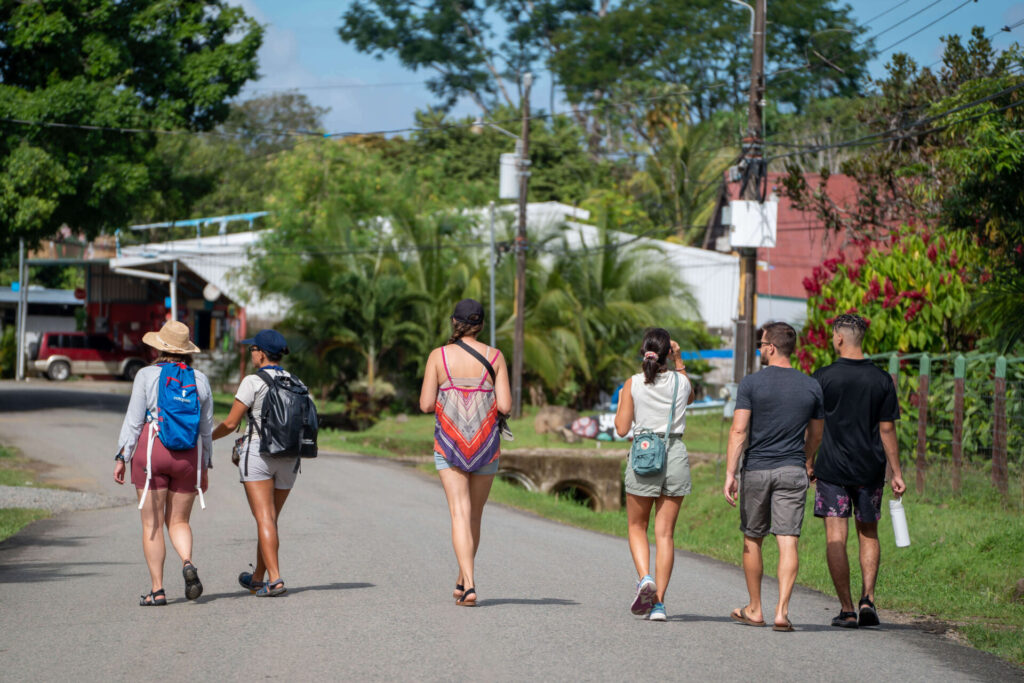
Safety in the tropics often comes down to simply understanding the rhythms of nature and our local infrastructure. To help you feel like a savvy, prepared traveler from day one, here are 10 practical rules of thumb we share with all of our Bodhi guests:
By Day (Sun, Surf, & Coconuts)
- Time the Whale’s Tail Walk with the Tides: The famous sandbar at Marino Ballena National Park is best explored at low tide. Walking out during high tide can leave you stranded or force you to swim back against rising currents. Pro-tip: Always check the daily tide chart before heading out.
- Hydrate & Protect Against Tropical Sun: The equatorial sun is far stronger than most guests anticipate, and dehydration happens fast. Take advantage of Uvita’s safe tap water by keeping a reusable water bottle filled at all times.
- Watch Where You Sit (The Coconut Rule): It sounds like a joke, but falling coconuts are a real hazard! Avoid laying your towel directly underneath coconut palms laden with heavy fruit, especially on windy days.
- Protect Your Belongings (and Yourself) at the Beach: Never leave cameras, phones, or wallets unattended on the sand while swimming, and keep rental cars completely empty of visible items. While our sunsets are spectacular, avoid walking alone on unlit, secluded stretches of the beach after dark.
By Night (Navigating After Dark)
- Be Smart at Night (Walking & Driving): Many side roads in Uvita are unlit dirt paths. If walking or biking after dark, a bright flashlight or reflective gear is mandatory. If you are renting a car, driving the highway at night can be tricky due to sudden heavy rain, potholes, and wildlife. We highly recommend planning your initial arrival in Uvita before the sun goes down!
- Secure Your Accommodation: If you are staying in an isolated jungle rental or Airbnb, treat it like you would anywhere else. Double-check that all doors, windows, and gates are locked when you leave or go to sleep.
By Location (Town Roads, Rivers, & Jungle)
- Navigate Town Roads & Highway 34 Safely: We recently had several of our local town roads paved! While this is fantastic for keeping the dust down, it means you need to be highly aware of fast-moving motorcycles and the occasional car zipping by. On the main highway (Costanera Sur), traffic moves fast and there are no dedicated bike lanes. Avoid walking or biking directly on the highway shoulder, and always cross at the designated crosswalks.
- Respect Waterfall Flash Floods: Tropical rain inland can cause sudden, powerful flash floods at local river spots like the Uvita Waterfall. Never swim alone, and if the water suddenly turns brown or murky, step out of the river immediately.
- Give Estuaries & River Mouths a Wide Berth: Local river mouths and estuaries are vital ecosystems—and home to Costa Rica’s native crocodiles. Avoid swimming or hiking right next to river mouths; stick to the open ocean beaches monitored by lifeguards.
- Know How to Handle Dogs and Jungle Trails: Friendly community dogs wander the town, but if you hike up into the rural hills during the day, carry a stick as a visual deterrent for territorial yard dogs. Also, if you want to experience the jungle at night, always hire a certified local guide rather than exploring unlit trails alone.
Empowering Your Visit with Bodhi Surf + Yoga
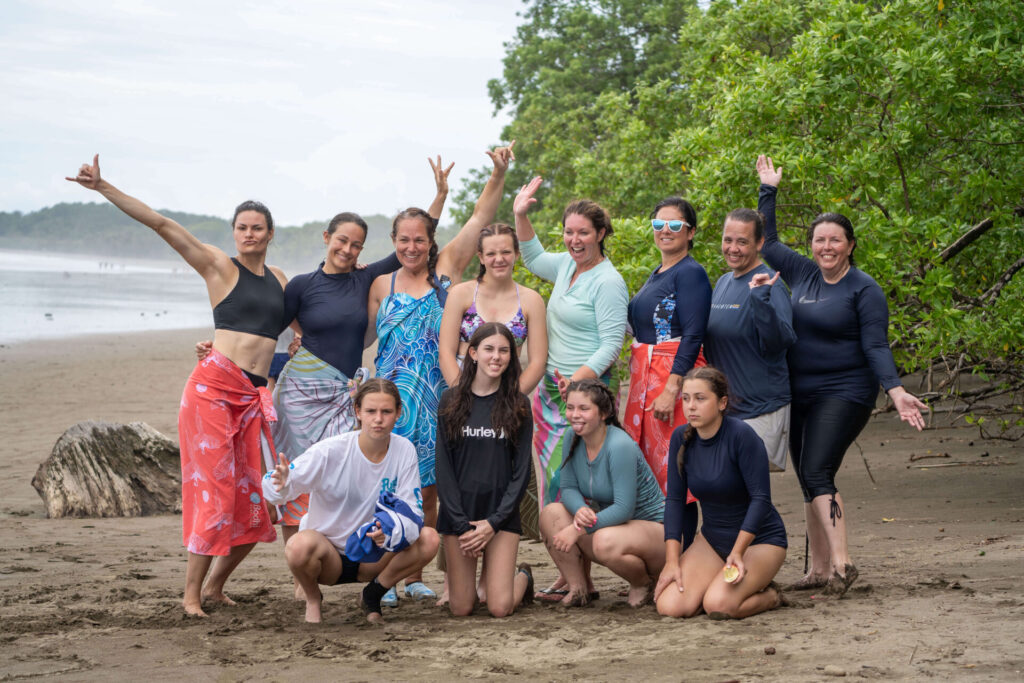
We understand that stepping into a new country or environment can bring up natural travel anxieties. But we also know that by educating you, you’re bound to feel more comfortable, empowered, and ultimately have a much better time! In fact, if you read our TripAdvisor or Google Reviews, one of the most common themes our guests mention is how they arrived with those typical travel nerves, but left feeling incredibly secure, supported, and cared for like true Bodhi Family.
Our role within guest support at Bodhi Surf + Yoga is to help you feel safe. Here is exactly how our team does this from the moment you book, to the moment you step foot in Uvita:
- Authentic, First-Hand Storytelling: We write blogs (like this one!) that are true, transparent, and built entirely on our first-hand, lived experience. We don’t rely on generic travel warnings or rumors; we share the honest realities of our hometown so you know exactly what to expect before you arrive.
- Pre-Trip Preparation: Long before your arrival, we empower you with comprehensive packing lists and pre-trip guides. You will know exactly what to bring for the tropical elements (and what to leave at home), removing the stress of the unknown.
- Complete Transparency: We don’t sugarcoat the realities of jungle living. If there’s something you should be cautious of, whether it’s a strong sun day, a cheeky monkey, or an ocean current, we educate you on it before it ever becomes an issue.
- The “Bodhi Tour”: Upon arrival, our staff takes guests on a comprehensive tour of the entire property. We walk you through everything so you know exactly how to operate our nightly gate, lock your room securely, and feel completely at ease in your new home base.
- Expert, Safety-First Instruction: Whether you are in the waves or on the yoga mat, our highly trained instructors prioritize your physical safety and mental comfort above all else, maintaining low ratios so you always have a watchful eye on you.
- Cultivating Good Habits: We don’t just want you to be safe here; we want you to be safe everywhere! We recommend leaving valuables behind in your room’s safe during surf lessons, helping you build good, mindful travel habits for wherever your adventures take you next.
- Community Culture Walking Tour: True safety comes from connection. On Sunday afternoon, our guests go on a vibrant 2-hour community walking tour executed by local leaders. This gives you a true, grounded orientation of our home, teaches you how to navigate the town, and provides the beautiful chance to mingle safely with locals.
We hope this honest guide answers your questions regarding safety here in Uvita, Costa Rica. We believe that when you feel completely safe, you have the freedom to truly connect with the ocean, the jungle, and yourself. We’d be absolutely thrilled to have you down here to join us for a surf and yoga retreat to experience our magical community firsthand! 🌊
Frequently Asked Questions about Uvita Safety
Is it safe to walk around Uvita at night?
Walking around Uvita at night requires basic precautions. Many of our side roads are unlit, so carrying a bright flashlight or wearing reflective gear is essential to ensure drivers and motorcyclists can see you. We do not recommend walking alone on secluded stretches of the beach after dark.
Can I drink the tap water in Uvita?
Yes! The tap water in Uvita is strictly managed and filtered by the ASADA Bahia Uvita, an award-winning community water organization. It is perfectly safe to drink directly from the tap, and we encourage you to bring a reusable water bottle to use at free refill stations around town.
Are there lifeguards at the beaches in Uvita?
Yes, Playa Chaman inside the Marino Ballena National Park (where we teach surf lessons!) has active lifeguards on duty. The beach features a flat, sandy bottom with mild currents, making it one of the safest beaches in the country to learn to surf.
Do I need to worry about hurricanes or earthquakes?
Because Costa Rica is located so close to the equator, the Coriolis force required to form hurricanes is practically non-existent. While we sit on an active tectonic plate and experience minor tremors, major earthquakes are rare. Uvita is also an internationally certified “Tsunami Ready” community with robust emergency preparedness plans.
Ready to experience the magic of Costa Rica with a team that truly cares? Check out our upcoming Surf and Yoga Camps and join our Bodhi Family!

Feel Confident. Catch Your Own Waves. Learn to Surf. Finally.
Learn to Surf: A Step-by-Step Guide for Beginners
Get our 32 page guide outlining the step by step process we’ve taught 1,000+ students to become confident, self-sufficient surfers.




How to Teach Yourself How to Surf
Words by Carly Stoenner
Learning to surf is more than standing on a board in the ocean. At its core, surfing is a physical, spiritual, and communal practice…
Is Surfing a Sport? And Why it Matters
Words by Carly Stoenner
To quickly answer this question, yes, surfing is a sport according to the International Olympic Committee (IOC). Surfing officially debuted as an Olympic sport…
The Endless Summer(s) Surf Movies
Words by Bodhi Surf + Yoga
American society is greatly influenced by its media outlets, especially movies. Every now and then there comes along a movie that although is a…