
Editor’s Note & Seasonal Update: This blog was originally published in 2018 and has been fully updated for 2026 with current weather patterns, local Costa Rican rain/heat vocabulary, updated whale migration schedules, and local travel recommendations to help you plan your ideal trip to Uvita.
The town of Uvita, nestled along Costa Rica’s stunning South Pacific coast where the rainforest meets the sea, is a captivating destination that draws travelers year-round. Between the emerald jungle plunging into the ocean, uncrowded surf breaks, breaching humpback whales, and a vibrant local community, there is a distinct magic here.
Because of our close proximity to the equator, Uvita does not experience traditional summer or winter. Instead, our year is defined by two primary rhythms: the Dry Season and the Tropical “Green” Season. Daytime temperatures average around 85°F (29°C) year-round, with high tropical humidity sustained by the surrounding rainforest.
Whether you are planning to learn to surf in Costa Rica, deepen your yoga practice and breathing, or simply step away from daily stress, there is no wrong time to visit Uvita. However, because different activities and wildlife phenomena reach their peak at different times of the year, understanding our seasonal nuances will help you plan the exact experience you are searching for.
Let your amigos here at Bodhi Surf + Yoga walk you through everything you need to know about Uvita’s climate, local rhythms, and seasonal highlights.
Understanding Uvita’s Two Tropical Seasons
The Dry Season (Late November to April)
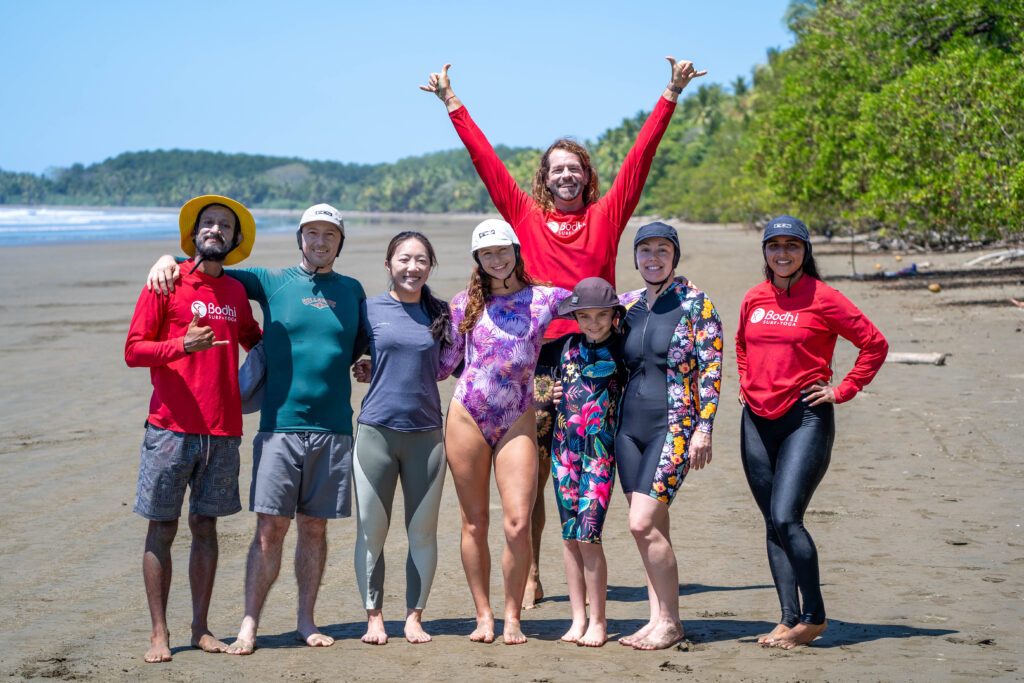
The dry season coincides with winter in the Northern Hemisphere, making it the most popular window for international travelers seeking to trade snow for warm, tropical sunshine ☀️. During these months, the days stretch out with brilliant blue skies, scattered cotton-candy clouds, dry hiking trails, and ocean waters that feel like a warm embrace.
Because this is peak tourism season across Costa Rica, Uvita buzzes with a lively energy and sees its highest visitor numbers. Accommodations, surf camps, and popular eco-tours book out well in advance, so planning ahead is essential. The daytime temperatures can get wonderfully hot, which naturally dictates the rhythm of your ‘Pura Vida’ experience: early morning surf sessions while the offshore winds are glassy, mid-day retreats to cool off in plunge pools or shaded hammocks, and sunset walks on the beach become the absolute sweetest parts of the day.
And while it is called the “dry” season, Mother Nature always likes to keep us on our toes. Occasionally, a spontaneous, brief rain shower will sweep through the coastline, and when it does, it is purely magical 🌴. The jungle seems to collectively exhale as the dusty trails are refreshed and the flora drinks in the moisture. These unexpected, fleeting showers are celebrated by the locals and the wildlife alike—a welcome, cooling reset that settles the earth before the sun quickly bursts right back through the canopy.
Decoding Costa Rican Heat Vocabulary ☀️
Just as the rain has its own language, the dry season heat does too. Knowing these terms helps you set honest expectations and plan your day perfectly:
- Bochorno: This is that heavy, humid, sticky heat that usually builds up right before a spontaneous afternoon shower. When you feel a bochorno settling in, that is the exact moment an iced drink, a shaded hammock, or the plunge pool becomes your absolute best friend.
- Solazo: A blazing, brilliantly sunny day. When there is a solazo, the ocean sparkles and the skies are impossibly blue, but you absolutely need your zinc sunscreen and a long-sleeved rash guard for that morning surf session!
The Tropical “Green” Season (May to November)
Many travelers research Costa Rica, see the words “rainy season,” and immediately pivot to booking in January. In doing so, they miss out on a period that residents quietly consider the absolute best time of year.
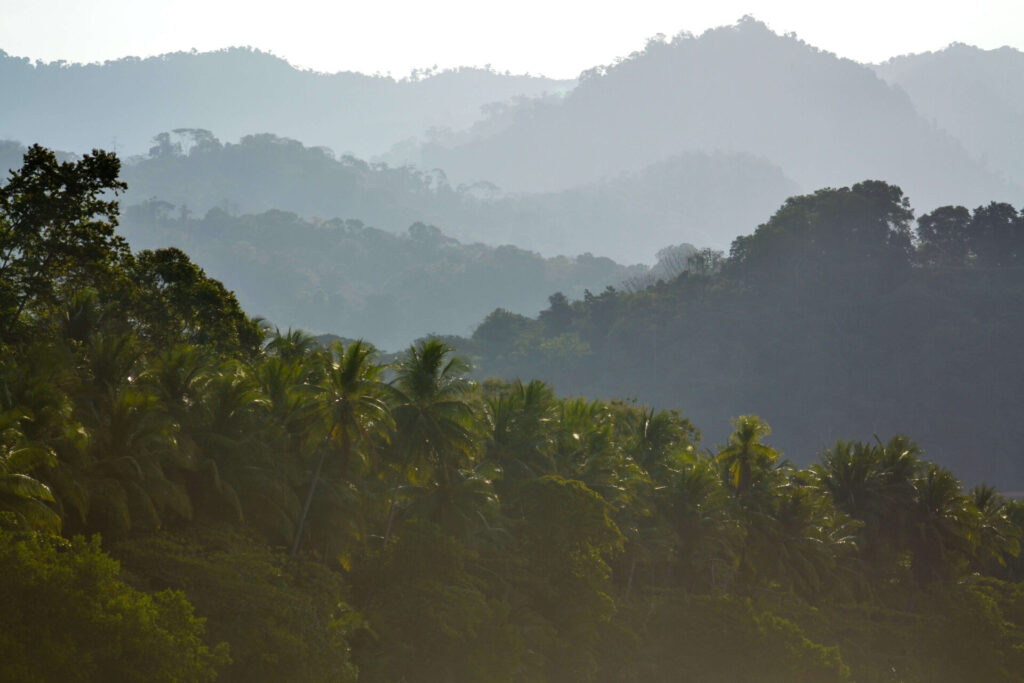
During the green season, the South Pacific coast transforms into an intense, glowing shade of green. Tropical showers cool the ambient air, fill the rivers, and bring the jungle alive with sound. Visitor numbers drop, creating an atmosphere that is peaceful, authentic, and budget-friendly.
But let’s reframe the rain itself. Here in Uvita, the afternoon showers aren’t a disruption to your vacation—they are a vital life force. Water is the very essence of the tropical rainforest; it is what sustains the incredible biodiversity, feeds the lush canopy, and keeps our ecosystem thriving.
A tropical downpour doesn’t stop our operations; it enhances them. Think about it: you are already wet when you are surfing! There is nothing quite as magical as sitting on your surfboard in the lineup, feeling the warm ocean below you while cool, freshwater raindrops fall from the sky. It is a profoundly grounding sensory experience that connects you instantly to the raw power of nature.
Back at the lodge, the rain invites a beautiful shift in pace. The rhythmic sound of water on the roof becomes the ultimate, natural soundtrack for a restorative yoga practice or a quiet afternoon swaying in a hammock with a good book. It’s an invitation to slow down, breathe deeply, and share some ‘Ohana’ time with your fellow guests. The rain brings life, sustains our community, and offers a beautiful reminder of our connection to this planet.
Decoding Costa Rican Rain Vocabulary 🌧️
To truly understand the green season, it helps to speak like a local (Tico). In Costa Rica, rain isn’t just “rain”—it comes in distinct personalities:
- Pelo de Gato (Cat’s Hair): A soft, feather-light mist or drizzle that settles over the jungle, often in the early morning or evening. You barely feel it, but it keeps the canopy lush.
- Aguacero: A classic tropical downpour. It comes down steadily for an hour or two in the afternoon, cooling the temperature and filling the air with the intoxicating scent of wet earth (petrichor).
- Baldazo: Literally a “bucketful” of rain! A sudden, dramatic deluge where water pours from the sky in sheets. Watching a baldazo move across the Pacific Ocean from a covered patio is an unforgettable experience.
- Temporal: A multi-day weather system where it rains continuously. While rare, it happens! We view a temporal as nature’s mandate to fully unplug, dedicate time to a restorative yoga practice, and enjoy endless cups of Costa Rican coffee.
How Rain Actually Falls in Uvita: First-time visitors are often surprised by the daily rhythm. A typical green season day opens clear and sunny, perfect for morning surf lessons, waterfall hikes, or beach walks. Clouds build in the early afternoon, leading to an aguacero or baldazo that lasts 30 to 90 minutes before the sky clears up again by evening.
Matching Your Activities to the Right Season
Every season in Uvita brings distinct advantages depending on what you want to experience.
1. Surfing & Wave Progression
The beaches surrounding Uvita and Bahia Ballena feature consistent, surfable waves 365 days a year.
- Dry Season (November – April): Offers smaller, cleaner, and highly predictable swells. This creates a gentle environment for beginners, families with children, or solo travelers looking to build a solid foundation on green waves.
- Green Season (May – November): Larger, stronger swells roll in from the South Pacific, creating fun, dynamic conditions for intermediate surfers looking to refine their skills. These same larger waves create great opportunities for beginner surfers to practice building a strong surfing foundation in the white water.
At Bodhi Surf + Yoga, our weekly Bodhi Sessions Surf & Yoga Camps run consistently throughout the year, teaching wave riding, ocean awareness, and environmental stewardship.
2. Whale & Dolphin Watching
Bahia Ballena is world-renowned as one of the best places on Earth to observe humpback whales. Because Uvita sits in a unique marine sanctuary, we experience two separate whale migration seasons:
- Northern Migration (December – March): Humpbacks travel 3,000 to 5,000 miles from Alaska and California to mate and give birth in warm waters.
- Southern Migration (July – October): Humpbacks travel north from Antarctica. September and October mark the peak of this southern migration, offering incredible opportunities to spot mothers nursing their calves inside Marino Ballena National Park.
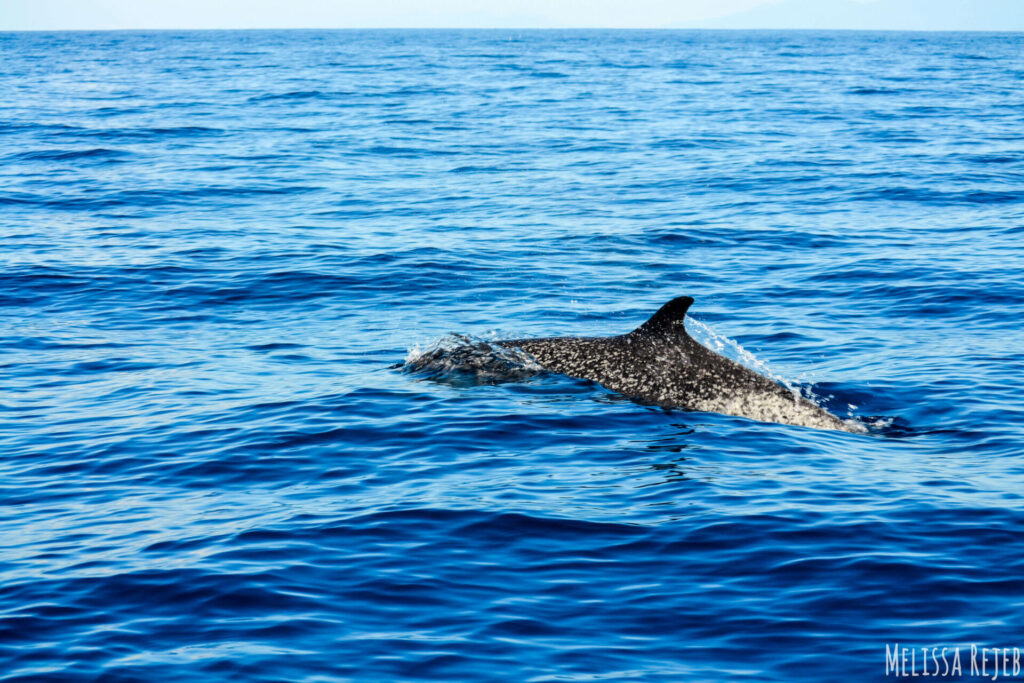
You also have a high chance of spotting resident Bottlenose, Spotted, and Spinner dolphins throughout the year.
3. Sea Turtle Nesting & Releases
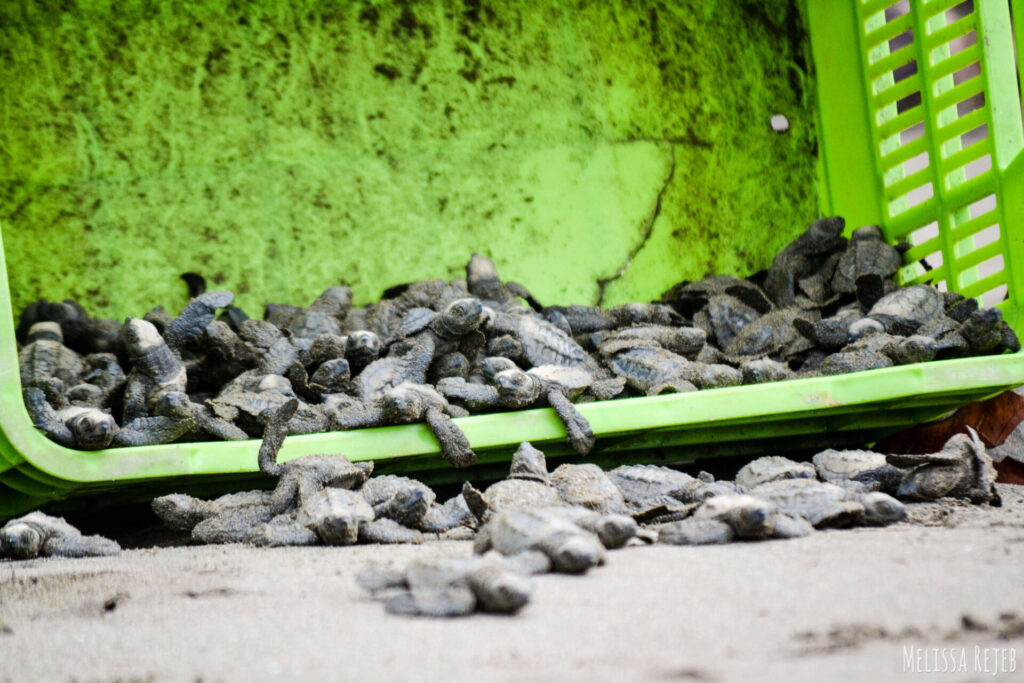
Five species of sea turtles visit Costa Rican shores. In the Uvita area:
- Olive Ridley Sea Turtles arrive to nest from July through December.
- Leatherback and Green Sea Turtles nest between November and March.
- Local conservation efforts occasionally host baby turtle releases on the beach, where newly hatched turtles make their first crawl to the sea.
4. Snorkeling & Scuba Diving at Caño Island
Located roughly 75 minutes by boat from Uvita, Caño Island Biological Reserve offers stellar marine life. The Dry Season (December through April) is the prime window for diving and snorkeling, as reduced river runoff ensures crystal-clear underwater visibility to spot reef sharks, manta rays, and sea turtles.
5. Waterfalls & Rainforest Hiking
- Dry Season Hiking: Trails throughout the jungle are firm and dry, making higher-elevation hikes—such as the local La Union trail—safe and accessible.
- Green Season Waterfalls: If you want to see waterfalls at their roaring peak, visit between May and November. Cascades like Nauyaca Waterfalls (40 minutes inland), the local Uvita Waterfall (with its natural rock slide), and Diamante Waterfalls double in volume.
6. Whitewater Rafting
Whitewater rafting hits its peak during the Green Season. Swollen rivers like the Savegre, Coto Brus, and Guabo produce exciting Class III and IV rapids. During the dry season, lower water levels create gentler floats suitable for young families.
7. Yoga Retreats & Mindful Resets
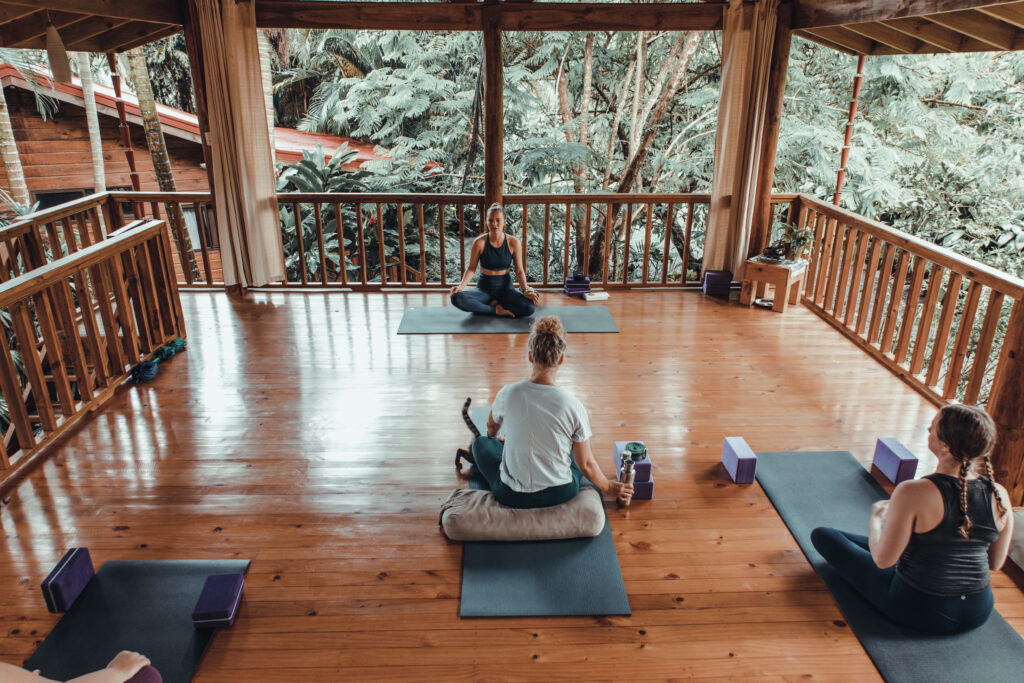
Practicing yoga on an open-air deck surrounded by rainforest while an afternoon aguacero falls on the roof is deeply restorative. The rain lowers the temperature and creates a soothing natural soundscape for meditation.
What Our Guests Say About the Rain:
“I was originally worried about booking during the green season, but practicing yoga under the open-air wooden deck while hearing the afternoon rain fall on the jungle canopy became my absolute favorite memory of the week. There is nothing like a rainy-day savasana!”
— Sarah M., Bodhi Surf + Yoga Alum
The Mid-Year Sweet Spot: “El Veranillo”
If you are looking for the ultimate balance—sunny, tropical beach days perfectly paired with the lush, vibrant perks of the green season—July and August are your golden months. Here in Costa Rica, locals lovingly refer to this period as El Veranillo de San Juan (the “little summer”).
During this magical mid-year window, the Pacific trade winds shift and the heavy rains temporarily ease. This brings a beautiful, multi-week stretch of clear skies, remarkably calm morning seas for your surf sessions, and jungle scenery that remains intensely green and alive.
But the true magic of El Veranillo goes far beyond the beautiful weather. August coincides perfectly with one of nature’s most spectacular migrations: the arrival of the Southern Humpback whales to the warm, protected waters of our Marino Ballena National Park. Imagine catching a morning wave, then spending your afternoon watching a mother whale and her newborn calf breach just off the coastline. It is a deeply humbling, awe-inspiring experience that perfectly captures the essence of Pura Vida. With sunny days, incredible marine life, and beaches that are far quieter than the peak dry season, this little summer is truly Uvita’s ultimate sweet spot.
Practical Packing Tips for Your Visit
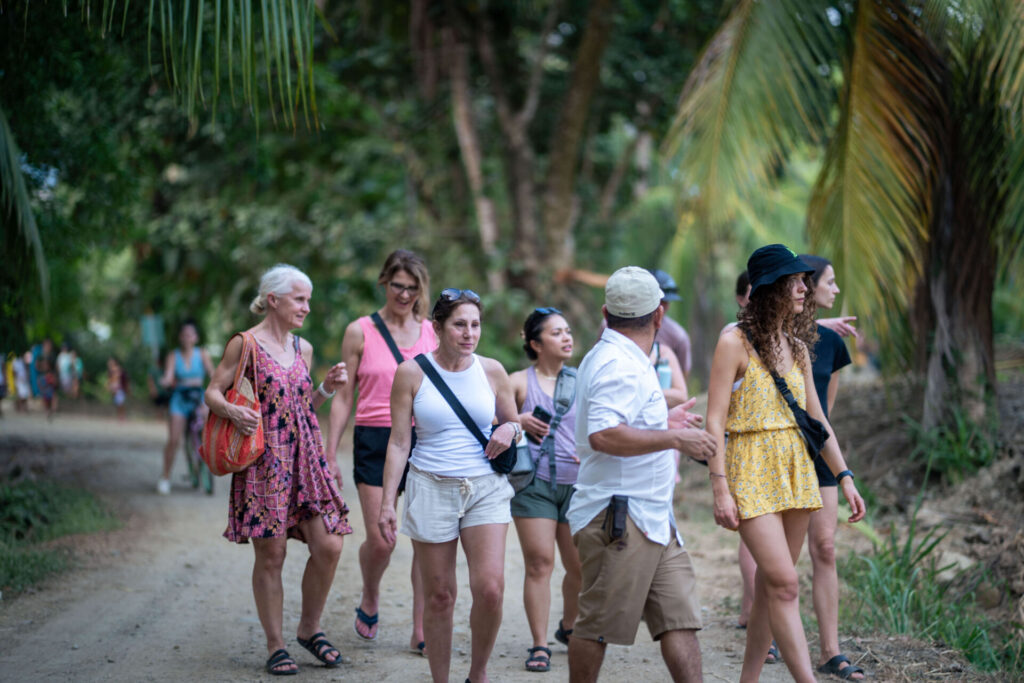
Preparing for a trip to the tropics means packing with purpose. Because Costa Rica’s weather shifts so distinctly between the dry and green seasons, the items you bring will dictate how comfortably you can explore the jungle, relax on the beach, and fully immerse yourself in the Pura Vida lifestyle. To help you pack efficiently and avoid overstuffing your suitcase, here are our localized, season-specific recommendations for your visit to Uvita.
Packing for the Dry Season ☀️
The brilliant, endless sunshine of the dry season requires some thoughtful packing to keep you cool and protected:
- Sun Protection: Bring polarized sunglasses, a wide-brimmed hat, and plenty of high-quality, reef-safe sunscreen to protect both your skin and our delicate marine ecosystems.
- Breathable Clothing: Pack light, breathable fabrics (like linen or thin cotton) that allow the warm ocean breeze to keep you comfortable throughout the day.
Packing for the Green Season 🌧️
Embrace the moisture with practical gear designed specifically for the jungle environment:
- Smart Layers: Pack quick-dry activewear and a high-quality, lightweight rain shell. Please leave the heavy umbrellas at home—our tropical humidity makes them cumbersome and uncomfortable to carry!
- Jungle Footwear: Bring sturdy trail shoes with good traction. The ground can get slick during waterfall hikes, and having secure footing will make your adventures much more enjoyable.
- Gear Protection: A quality dry bag is essential for keeping your phone, electronics, and valuables safe during spontaneous afternoon showers or boat rides.
- Comfort Essentials: Don’t forget a good bug repellent for those calm, humid evenings sitting out on the patio.
Cultural Events & Celebrations
Planning around local holidays lets you experience authentic Tico culture and the deep community spirit of Uvita, Osa, Costa Rica. Here is a timeline of key celebrations and seasonal shifts to keep in mind:
- Public School Holiday Breaks (Mid-December to Early February & Early July): Costa Rica has two main school breaks. During these windows, our coastal towns and national parks buzz with local families enjoying Pura Vida.
- Fiesta de los Diablitos (December – February): Hosted in the nearby indigenous communities of Boruca and Rey Curré, this ancestral festival features elaborate hand-carved wooden masks and traditional chicha.
- Envision Festival (Late February / Early March): Held right here in Uvita, this week-long gathering blends music, yoga, art, and environmental workshops.
- Semana Santa (Easter Holy Week – March/April): Costa Rica’s major holiday week. Coastal towns fill with domestic travelers celebrating with family.
- World Ocean Day (June 8): A deeply meaningful day for us to participate in local beach cleanups and educational activities.
- International Surfing Day & International Day of Yoga (Mid-June): Expect community paddle-outs, surf sessions full of ‘Ohana’, and restorative yoga practices.
- Annexation of Guanacaste Day (July 25): Celebrated with traditional folk dancing, marimba music, and classic Costa Rican foods.
- Festival de las Ballenas (September): A beautiful local community event in Bahia Ballena featuring guided whale-watching tours.
- Independence Day (September 15): Celebrated across Costa Rica with joyous street parades and stunning nighttime lantern processions (desfile de faroles).
Frequently Asked Questions (FAQ)
What is the rainiest month in Uvita, Costa Rica?
October is typically our wettest month here on the South Pacific coast. While the jungle landscape is intensely green and gorgeous, you will find that some small local businesses take this time to close briefly for annual maintenance. It is a very quiet, deeply restorative time to visit if you don’t mind the extra aguaceros!
Which season is best for a family vacation?
It depends entirely on your family’s travel style! The Dry Season (December to April) offers predictable sunshine and gentle wave conditions that are ideal for young swimmers. However, the Green Season (June to August) offers slightly bigger wave conditions and a fun, lively local energy ideal for building stronger surfing foundations.
Which season is best for solo travelers seeking a mindful reset?
The Green Season (May to October) is an absolute dream for solo travelers. It naturally offers a slower pace, fewer crowds, cooler ambient air, and a beautifully tranquil atmosphere perfect for personal reflection and restorative yoga.
Do I need to rent a 4×4 vehicle for my trip?
If your plans keep you along the paved main highway (Costanera Sur) and in central Uvita, a standard car works perfectly year-round. A 4×4 vehicle is strongly recommended if you are renting a mountain villa, exploring unpaved back roads, or visiting remote waterfall trailheads, particularly during the green season.
When is the absolute best time to see humpback whales?
Because Uvita is located in a unique marine sanctuary, we experience two separate whale migrations! The Northern migration happens from December through March. But the most spectacular window is during the Southern migration between July and October (peaking in August, September, and October).
Can I walk out on the famous Whale Tail sandbar at any time?
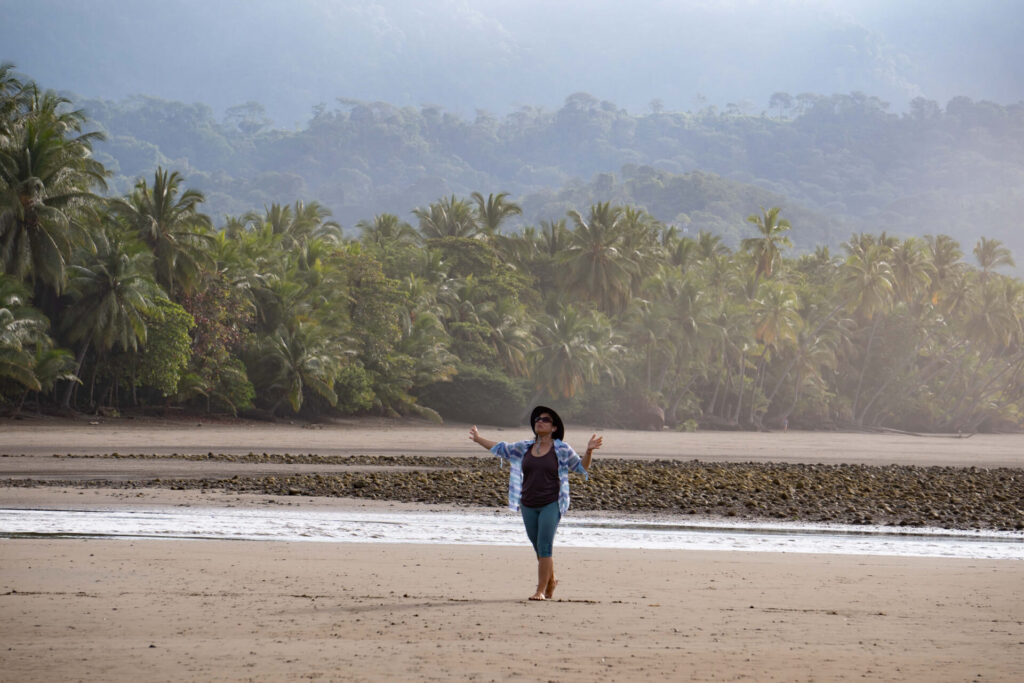
Mother Nature dictates the schedule for this one! The sandbar shaped like a whale tail inside Marino Ballena National Park is only accessible on foot during low tide. At high tide, the sandy path is completely reclaimed by the ocean. Always check the local tide charts daily.
Can we still surf if it rains?
Absolutely. Here at Bodhi Surf + Yoga, a tropical downpour does not stop our surf sessions; it actually enhances them. You are already wet, and feeling cool freshwater raindrops while sitting in the warm ocean lineup is a profoundly grounding sensory experience.
Ready to Experience the Magic of Uvita?
There is no wrong time to visit Costa Rica’s South Pacific. Whether you choose the bright sunshine of the dry season or the rich, vibrant energy of the green season, Uvita welcomes you.
If you are ready to learn to surf, deepen your yoga practice, and connect with a conscious community, we would love to welcome you into our Bodhi ‘Ohana’.

For First-Time Surfers
You Don't Need Experience. You Don't Need Gear. You Just Need This.
Our free 5-day email course that reveals the 5 myths keeping beginners at "I'm not ready" instead of catching their first wave and finding inner peace-and how to overcome them fast.



The Benefits of Pranayama Breathing
Words by Pilar
“When you own your breath, nobody can steal your peace.” ~Author Unknown In the great ocean of knowledge inside the science of yoga, there…

How to Teach Yourself How to Surf
Words by Carly Stoenner
Learning to surf is more than standing on a board in the ocean. At its core, surfing is a physical, spiritual, and communal practice…

Ask Not “What is Yoga?” but Rather ‘What Does Yoga Mean to Me?’
Words by Pilar
I guess the most common question I receive as a yoga teacher is: what is the meaning of yoga? To sum up and define…